Building Confidence in Children: Helping Every Learner Believe in Themselves
Every child encounters moments when they question their abilities. Whether attempting a difficult maths problem, joining a new sports team, performing on stage or making friends at a new school, confidence influences how children respond to unfamiliar situations and challenges. Rather than determining whether obstacles exist, confidence shapes whether children believe they can overcome them.
Every child experiences periods of uncertainty, regardless of age, personality or ability. A young child may hesitate before joining a new activity, while an older student may worry about examinations, presentations or learning a difficult new concept. These moments are a natural part of growing, learning and developing new skills.
Confidence is also not something children are simply born with. Rather than being a fixed personality trait, it develops gradually through everyday experiences, supportive relationships and opportunities to practise, improve and overcome challenges. Some children may appear naturally outgoing, while others are quieter and more cautious, but both can develop strong, lasting confidence when they feel supported and encouraged.
Parents, teachers and the wider learning environment all contribute to shaping how children see themselves as learners. Small everyday interactions—offering encouragement, allowing children to make decisions, recognising genuine effort and creating opportunities for success—can gradually strengthen a child's belief in their own abilities. Over time, these experiences help children approach learning with greater curiosity, resilience and independence.
Why Confidence Matters
Confidence influences far more than academic performance. It shapes the way children approach new experiences, respond to challenges and interact with the people around them. A child who believes they can learn and improve is often more willing to participate, ask questions when they need help and continue trying even when success does not come immediately.
Confident learners are generally more comfortable exploring unfamiliar ideas and contributing to classroom discussions. They are often more willing to volunteer answers, take part in group activities and communicate their thoughts, even when they are unsure whether they are correct. These experiences create further opportunities to develop knowledge, communication skills and independent thinking.
Confidence also supports resilience. Rather than viewing mistakes as evidence that they are incapable, confident children are more likely to see challenges as opportunities to learn and improve. This mindset encourages persistence, helping children continue learning when tasks become increasingly demanding.
Outside the classroom, confidence contributes to greater independence, curiosity and motivation. Children who believe in their ability to learn often become more willing to explore new interests, solve problems independently and take increasing responsibility for their own learning. These qualities support not only educational success but also emotional wellbeing and lifelong personal development.
Perhaps most importantly, confidence grows through repeated positive experiences rather than praise alone. Genuine confidence develops when children experience challenges, make progress through effort and gradually realise that they are capable of learning, adapting and improving over time.
Importantly, children do not build lasting confidence by succeeding all the time. They build confidence by overcoming difficulties that once seemed challenging. Every time a child perseveres, adapts a strategy or achieves something they previously believed was beyond their ability, their confidence becomes a little stronger because it is based on real experience rather than reassurance alone.
For example, a child who initially struggles to ride a bicycle, practise a piano piece or complete a difficult homework assignment often develops more lasting confidence than one who succeeds immediately. Working through manageable challenges teaches children that persistence leads to progress, and that setbacks are simply part of the learning journey.
Practical Guidance
1. Celebrate Effort Rather Than Perfection
Many children naturally focus on getting the "right" answer, particularly as they grow older and become more aware of grades, comparisons and expectations. While achievement is important, placing too much emphasis on perfect outcomes can sometimes make children hesitant to take on new challenges or try unfamiliar tasks.
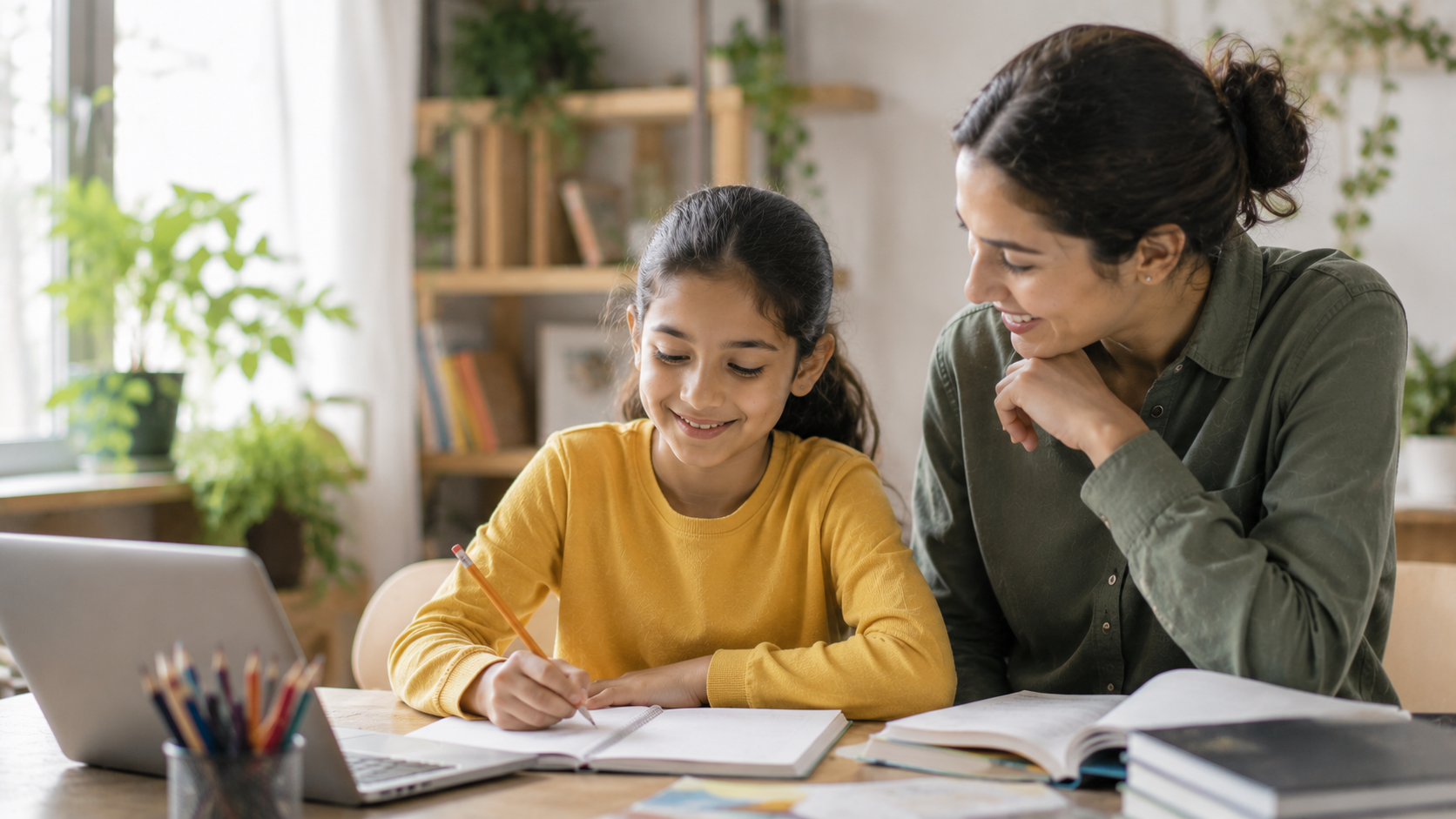
Instead of praising only success, acknowledge the effort, persistence and strategies your child used throughout the learning process. Comments such as, "I noticed how carefully you worked through that problem," or, "You kept trying even when it was difficult," help children understand that improvement comes through practice rather than natural talent alone.
This approach encourages children to value learning itself instead of fearing mistakes. Over time, they become more willing to attempt challenging tasks because they understand that effort, resilience and determination are recognised alongside achievement.
2. Allow Children to Solve Problems Independently
It is natural for parents to want to help when children encounter difficulties. However, solving every problem on a child's behalf can unintentionally reduce opportunities for them to develop confidence in their own abilities.
Whenever appropriate, encourage children to think through problems before offering solutions. Asking questions such as, "What do you think you could try next?" or, "Can you think of another way to solve this?" helps children practise decision-making and independent thinking instead of relying immediately on adult guidance.
Even if a solution is not immediately successful, the experience of working through a challenge builds valuable problem-solving skills and reinforces the idea that they are capable of finding answers for themselves. These everyday opportunities gradually strengthen both confidence and resilience.
3. Encourage Small Achievable Challenges
Confidence often develops through a series of manageable successes rather than one major achievement. Introducing children to challenges that are slightly beyond their current comfort zone allows them to experience steady progress without becoming overwhelmed.
This might involve reading a slightly more challenging book, speaking during a classroom presentation, trying a new sport or learning a new musical piece. The goal is not to remove all difficulty but to provide opportunities where effort can realistically lead to success.
As children overcome these smaller challenges, they begin to recognise their own ability to learn new skills. Each positive experience builds upon the last, gradually increasing their willingness to tackle more complex tasks and embrace future opportunities with confidence.
4. Help Children View Mistakes as Opportunities to Learn
Every learner makes mistakes. In fact, mistakes are an essential part of developing new knowledge and skills. Children who understand this are often more willing to take risks, ask questions and continue learning without becoming discouraged by temporary setbacks.
When mistakes occur, avoid focusing solely on the outcome. Instead, encourage reflection by asking questions such as, "What did you learn from this?" or, "What might you do differently next time?" These conversations shift attention away from failure and towards growth, resilience and continuous improvement.
Parents can also model this approach in everyday life by openly acknowledging their own mistakes and demonstrating how they learn from them. Seeing adults respond calmly to setbacks helps children understand that mistakes are a normal and valuable part of learning.
5. Support Individual Strengths and Interests
Every child develops confidence in different ways. Some flourish through academic subjects, while others discover their strengths in music, sport, creative arts, technology, languages or practical activities. Recognising these individual differences helps children appreciate their own abilities rather than comparing themselves with others.
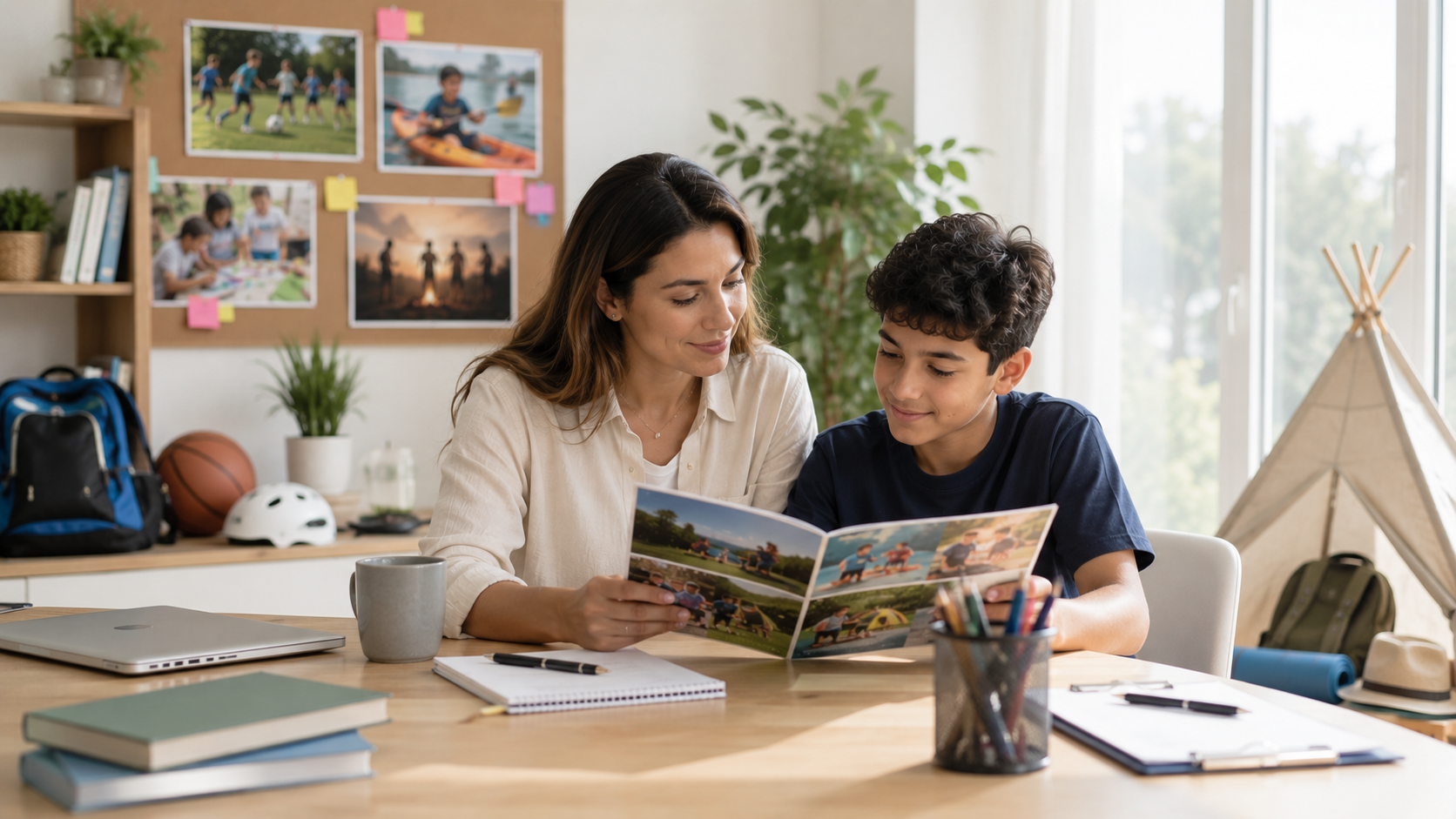
Providing opportunities to explore personal interests allows children to experience success, build new skills and develop a stronger sense of identity. Whether a child enjoys drawing, coding, science experiments, drama or team sports, meaningful engagement in activities they enjoy often creates positive experiences that strengthen overall confidence.
Supporting a child's interests does not mean encouraging them to avoid areas they find difficult. Instead, it provides a balanced foundation from which they can approach new challenges with greater self-belief. As confidence grows in one area of life, children often become more willing to apply that confidence in other aspects of their learning and personal development.
6. Encourage Positive Self-Talk
The way children speak to themselves has a powerful influence on how they approach learning and everyday challenges. Many children develop an inner voice that reflects their experiences and the messages they hear from the adults around them. While occasional self-doubt is entirely normal, consistently negative self-talk can make new situations feel far more intimidating than they really are.
Parents can help children recognise unhelpful thoughts without dismissing their feelings. If a child says, "I'm not good at maths," try encouraging a more balanced perspective such as, "You're still learning, and every time you practise you're improving." This gentle shift helps children understand that ability develops through learning, persistence and experience rather than being something people either have or do not have.
The goal is not to replace every negative thought with unrealistic positivity, but to help children develop a more constructive and compassionate way of thinking about themselves. Over time, this supports greater resilience, persistence and confidence when approaching future challenges.
7. Model Confidence in Everyday Life
Children learn confidence not only through encouragement but also by observing how the adults around them respond to everyday situations. Parents are often a child's first and most influential role models, and children regularly imitate the attitudes, behaviours and language they see at home.
When parents approach new experiences with curiosity, remain calm after making mistakes and demonstrate perseverance when things do not go to plan, they show children that confidence is not about always succeeding—it is about believing that challenges can be managed and new skills can be learned.
Simple everyday moments can leave a lasting impression. Saying, "I've never done this before, but I'll learn," or, "That didn't work the first time, so I'll try a different approach," teaches children that uncertainty is a normal part of learning rather than something to fear.
Children are far more likely to develop healthy confidence when they regularly see adults responding to setbacks with patience, resilience and a willingness to keep learning. These everyday examples often become more influential than advice alone.
8. Create Opportunities for Responsibility
Children often become more confident when they are trusted with meaningful responsibilities. Completing tasks independently gives them opportunities to demonstrate capability, make decisions and experience the satisfaction that comes from contributing to family life.
Responsibilities should be appropriate for a child's age and stage of development. Younger children might help organise their school bag or prepare simple snacks, while older children may manage homework schedules, help plan family activities or take responsibility for longer-term projects.
Allowing children to complete tasks without unnecessary intervention communicates trust in their abilities. Even when everything is not completed perfectly, the experience of taking responsibility often contributes more to confidence than achieving flawless results.
9. Be a Calm and Consistent Source of Encouragement
Children naturally look to trusted adults when deciding how to respond to unfamiliar situations and setbacks. A calm, supportive response from a parent helps children approach challenges with greater confidence and perspective.
This does not mean offering constant reassurance or removing every difficulty. Instead, it involves listening carefully, acknowledging emotions and encouraging children to think about possible solutions. Knowing that support is available often gives children the confidence to become increasingly independent.
Consistency also matters. Regular encouragement, realistic expectations and dependable support help children develop confidence that is grounded in genuine experiences rather than temporary praise. Over time, children begin to internalise this encouragement and develop greater confidence in their own decision-making and abilities.
Common Mistakes Parents Should Avoid
-
Solving every problem for your child.
While helping can feel supportive, constantly stepping in may prevent children from discovering that they are capable of finding solutions independently. -
Overprotecting children from every challenge.
Children build confidence by successfully working through manageable difficulties. Removing every obstacle can reduce valuable opportunities for growth and resilience. -
Comparing siblings or other children.
Every child develops at their own pace. Comparisons can undermine self-belief and shift attention away from individual progress and personal strengths. -
Setting unrealistic expectations.
Expecting children to perform perfectly can create unnecessary pressure and discourage them from attempting challenging tasks where mistakes are part of learning. -
Praising everything regardless of effort.
Children benefit most from genuine, specific encouragement that recognises persistence, improvement and thoughtful effort rather than offering praise for every outcome. -
Focusing only on grades and results.
Academic achievement is important, but confidence also develops through creativity, communication, problem-solving, teamwork, kindness and personal growth. Recognising these qualities helps children develop a broader and healthier sense of success.
Frequently Asked Questions
Can confidence be developed at any age?
Yes. Confidence continues to develop throughout childhood and adolescence. Supportive relationships, positive learning experiences and opportunities to overcome challenges all contribute to growing self-belief over time.
How can I help if my child lacks confidence at school?
Start by listening carefully to your child's concerns and working together to understand what may be affecting their confidence. Maintaining open communication with teachers and celebrating small steps of progress can help children gradually rebuild self-belief. If confidence is linked to a specific subject or learning difficulty, personalised support from teachers or tutors can also make a meaningful difference. Many children become more confident when learning at a pace that matches their individual needs and allows them to experience success more consistently.
Should I protect my child from failure?
Children benefit from age-appropriate challenges and opportunities to learn from mistakes. Experiencing manageable setbacks helps develop resilience, independence and confidence in their ability to solve problems and adapt.
What is the difference between confidence and self-esteem?
Confidence often relates to a child's belief in their ability to complete tasks or learn new skills, while self-esteem refers more broadly to how they value themselves as a person. Both contribute to healthy development and can be strengthened through supportive relationships and positive experiences.
Can extracurricular activities help build confidence?
Yes. Activities such as sport, music, art, drama, volunteering and other hobbies provide opportunities to develop new skills, experience achievement, build friendships and discover personal strengths. These experiences often contribute significantly to growing confidence.
Summary
Confidence is not about always succeeding or never feeling uncertain. It develops gradually through everyday experiences that encourage children to explore, solve problems, learn from mistakes and recognise that progress comes through persistence.
Parents, teachers and supportive learning environments all contribute to helping children build confidence over time. By valuing effort, encouraging independence, celebrating individual strengths and providing opportunities to overcome challenges, adults help children develop lasting self-belief that supports both learning and personal growth.
Every child follows a unique path, and confidence develops at different rates for different learners. With patience, encouragement and opportunities to experience genuine achievement, children can develop the confidence to approach new experiences with curiosity, resilience and a willingness to keep learning throughout life.
Daresni Tip: Confidence isn't built by removing every challenge—it's built by helping children discover they can overcome them. Celebrate effort, encourage independence and recognise progress, no matter how small. Those everyday moments become the foundation of lifelong confidence.