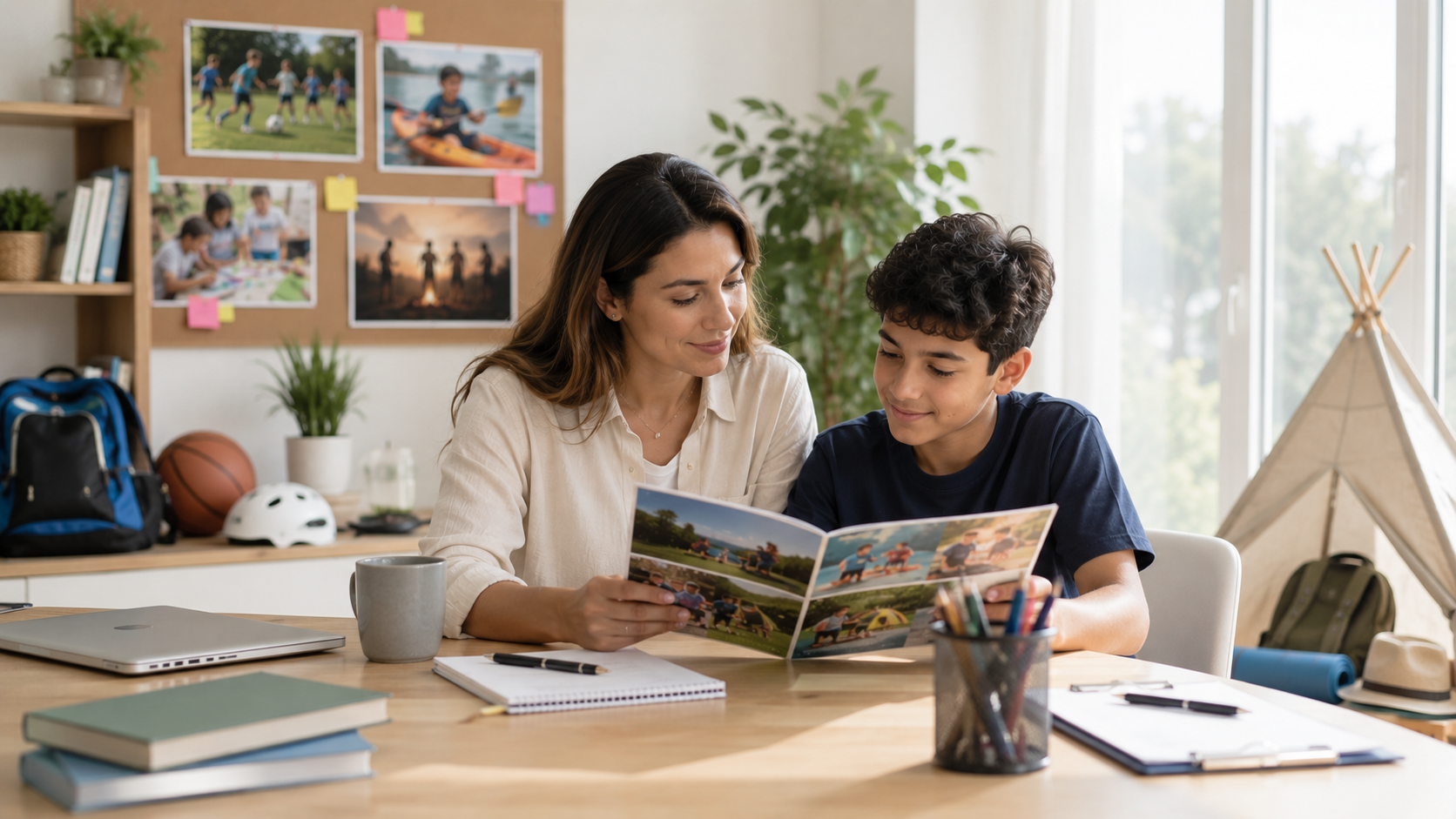
Choosing a Language to Learn
Learning another language is one of the most rewarding skills a child can develop. Beyond being able to communicate with more people, language learning helps children understand different cultures, strengthens cognitive development and builds confidence in unfamiliar situations. Whether your child is learning a language for school, travel, family connections or personal interest, the experience can open doors that extend far beyond the classroom.
Many parents wonder which language their child should learn first. Should they choose a language that is widely spoken? One that supports future career opportunities? Or simply the language their child enjoys most? While there is no universal answer, understanding your child's interests, goals and learning style can help you make a thoughtful decision that keeps them motivated for years to come.
The most successful language learners are not necessarily those who choose the best language, but those who remain curious, practise consistently and enjoy the process of discovering new ways to communicate.
Why This Matters
Learning a second or even third language offers benefits that go well beyond vocabulary and grammar. It encourages children to think more flexibly, improve their listening skills, strengthen memory and develop greater cultural awareness. Research also suggests that learning languages can support problem-solving, concentration and communication skills that benefit students across many academic subjects.
In an increasingly connected world, multilingualism also creates opportunities for travel, international education, global careers and meaningful relationships with people from different backgrounds. More importantly, learning another language teaches empathy by helping children appreciate different cultures, traditions and perspectives.
Parents play an important role by creating a positive learning environment where curiosity is encouraged and mistakes are viewed as a natural part of the learning process.
Practical Guidance
1. Start with Your Child's Interests
Choosing a language should begin with your child's interests rather than popularity alone. A child who enjoys Japanese animation, Spanish football, French cuisine or Korean music may feel naturally motivated to learn that language because it connects with something they already love.
When children have a personal reason for learning, they are more likely to stay engaged, practise regularly and enjoy the journey even when the language becomes more challenging.
Ask questions such as:
- Which countries would you like to visit?
- Are there cultures that interest you?
- Would you like to communicate with friends or family in another language?
- What books, films or hobbies inspire you?
2. Consider Long-Term Goals
Although personal interest is important, it is also worth considering how a language may support your child's future education or career aspirations. Some languages are widely used in international business, diplomacy, tourism, science and technology, while others may be especially valuable because of family heritage or regional importance.
Rather than choosing solely based on future employment, think about how the language may enrich your child's education and create opportunities for meaningful communication throughout their life.
3. Remember That Every Language Has Value
Parents sometimes worry about selecting the wrong language. In reality, there is no perfect choice. Every language introduces children to new cultures, ways of thinking and opportunities to communicate with different communities.
The skills developed while learning one language also make it easier to learn additional languages later. Once children understand how language learning works, they often become more confident and adaptable learners regardless of which language they study next.
4. Focus on Communication Before Perfection
Many beginners worry about making mistakes when speaking a new language. However, successful language learning is built on communication rather than perfection. Children should feel comfortable experimenting, asking questions and using the language even when they are still learning.
Encourage your child to celebrate progress, such as introducing themselves, asking simple questions or holding a short conversation, rather than expecting perfect pronunciation or grammar from the beginning.
5. Make Language Part of Everyday Life
The most effective language learning often happens outside formal lessons. Small, regular opportunities to hear, read and use the language help children build confidence naturally over time.
Simple ideas include:
- Reading children's books together.
- Listening to music.
- Watching age-appropriate programmes.
- Practising simple conversations.
- Labelling household objects.
- Playing language games.
Consistent exposure helps children become familiar with vocabulary and pronunciation without making learning feel like a chore.
6. Learn About the Culture as Well as the Language
Language and culture are closely connected. Understanding traditions, celebrations, food, history and everyday customs helps children appreciate why people communicate in different ways.
Exploring cultural experiences alongside language learning makes lessons more meaningful and helps children develop respect for different perspectives. It also reminds them that learning a language is ultimately about connecting with people, not simply memorising words.
7. Build Confidence Through Regular Practice
Learning a language is similar to learning a musical instrument or a sport—it improves through regular practice rather than occasional intensive study. Short, consistent practice sessions are often far more effective than long lessons separated by weeks of inactivity.
Encourage your child to use the language a little each day. Even spending ten to fifteen minutes reading, listening, speaking or reviewing vocabulary helps reinforce learning and builds confidence over time.
Most importantly, create an environment where making mistakes feels safe. Every conversation, even with errors, is an opportunity to improve.
8. Learn with Others Whenever Possible
Languages are designed for communication, so children often make faster progress when they have opportunities to use the language with other people. Speaking with teachers, tutors, classmates or conversation partners allows children to develop confidence in real-life situations.
Parents do not need to speak the language themselves to provide encouragement. Simply showing interest, asking your child to teach you new words or celebrating small achievements can make a significant difference to motivation.
For many children, learning with a tutor or joining a small language class provides valuable structure, regular feedback and opportunities to practise speaking naturally.
9. Choose Resources That Match Your Child's Learning Style
Every child learns differently. Some children remember new vocabulary by seeing pictures, while others learn best by listening, reading, writing or participating in conversations.
Experiment with different learning resources to discover what keeps your child engaged. These may include:
- Illustrated books.
- Conversation cards.
- Interactive learning apps.
- Educational games.
- Songs and podcasts.
- Storytelling activities.
- Language clubs or conversation groups.
Using a variety of resources keeps learning enjoyable while helping children develop all four language skills: listening, speaking, reading and writing.
10. Set Realistic Goals and Celebrate Progress
Language learning is a long-term journey, and fluency develops gradually. Rather than focusing only on ambitious goals such as becoming fluent, help your child celebrate smaller milestones along the way.
For example, recognise achievements such as learning fifty new words, reading a short story, holding a simple conversation or understanding a favourite song. These successes build confidence and encourage children to continue learning.
Avoid comparing your child's progress with others. Every learner develops at their own pace, and maintaining enthusiasm is often more valuable than progressing quickly.
11. Think Beyond the Classroom
Learning another language creates opportunities that extend far beyond school. It allows children to communicate with people from different cultures, enjoy books and films in their original language, travel with greater confidence and better understand the world around them.
Multilingual individuals are often well prepared for international education, global careers and collaborative workplaces. However, one of the greatest benefits is personal growth. Learning another language encourages curiosity, empathy and an appreciation for different cultures and perspectives that can last a lifetime.
By viewing language learning as a lifelong skill rather than simply another school subject, parents can help children remain motivated long after formal lessons have ended.
Common Mistakes
- Choosing a language based only on popularity rather than your child's interests.
- Expecting rapid fluency within a short period.
- Focusing too heavily on grammar before encouraging conversation.
- Correcting every mistake instead of building confidence.
- Practising only during formal lessons.
- Ignoring the cultural aspects of language learning.
- Comparing your child's progress with other learners.
Practical Checklist
- Choose a language that genuinely interests your child.
- Create opportunities for regular practice.
- Encourage speaking without worrying about perfection.
- Explore the culture alongside the language.
- Use a variety of learning resources.
- Celebrate small achievements regularly.
- Consider learning with a tutor or conversation group.
- Keep the experience enjoyable and free from unnecessary pressure.
Frequently Asked Questions
What is the best language for my child to learn?
There is no single best choice. The right language depends on your child's interests, future goals, family connections and motivation. A language that your child enjoys learning is often the one they are most likely to continue studying successfully.
At what age should children start learning another language?
Children can begin learning another language from an early age, but it is never too late to start. Younger children often absorb pronunciation naturally, while older learners can use stronger reading, reasoning and study skills to make excellent progress.
Should my child focus on speaking or grammar first?
Both are important, but confidence in communication should come first. Children who enjoy speaking and using the language naturally often develop grammar skills more effectively through regular practice and meaningful conversations.
How much practice does my child need?
Consistency is more important than duration. Even ten to fifteen minutes of daily practice can produce excellent long-term progress when combined with quality teaching and enjoyable activities.
Is learning more than one language at the same time a good idea?
Many children successfully learn multiple languages, especially if they receive consistent exposure and support. However, if your child feels overwhelmed, focusing on one language at a time may help build confidence before introducing another.
Final Thoughts
Learning another language is one of the greatest gifts parents can offer their children. Beyond communication, it develops curiosity, confidence, cultural awareness and the ability to connect with people from different backgrounds. These qualities enrich both education and everyday life.
The most successful language learners are not those who learn the fastest, but those who remain curious, practise consistently and enjoy discovering new cultures and ways of thinking. By creating a positive and encouraging environment, parents can help children develop a lifelong appreciation for languages and the opportunities they bring.
Daresni Tip:
Encourage your child to use their new language for real-life experiences, whether it's ordering food while travelling, speaking with a friend, reading a favourite story or watching a film. The more meaningful the experience, the more memorable the learning becomes.