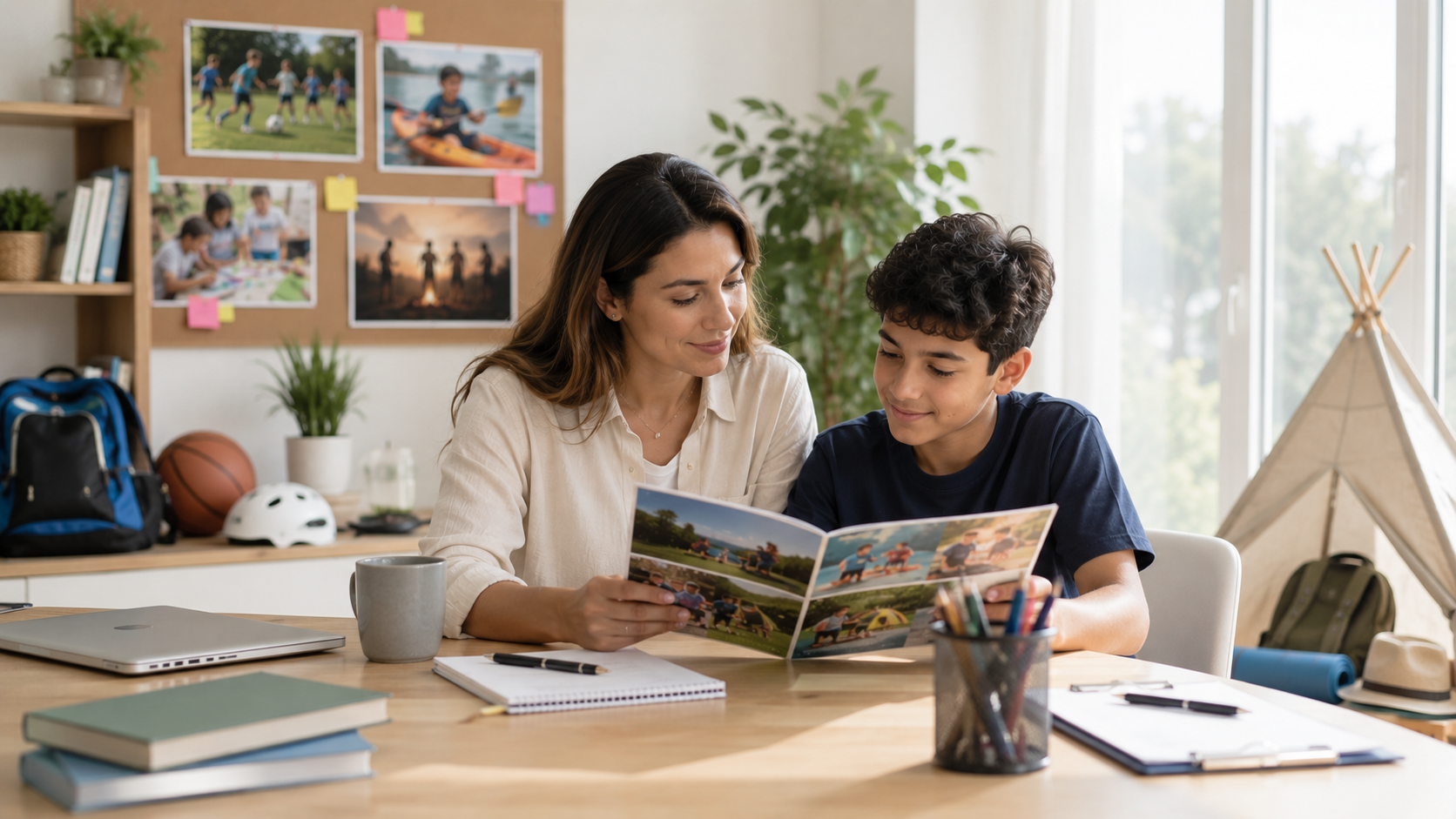
Motivating Children to Learn: Helping Learners Stay Curious, Focused and Engaged
Every child experiences periods of high and low motivation. A child who eagerly explores one subject may show little interest in another, while a previously enthusiastic learner may occasionally seem reluctant to complete homework, revise for examinations or try something new. These changes are a normal part of learning and development and do not necessarily indicate laziness, poor behaviour or a lack of ability.
Motivation is influenced by many different factors. Confidence, personal interests, emotional wellbeing, the learning environment, relationships with teachers and parents, and even how well a child understands the purpose behind a task can all affect their willingness to engage. A child who feels capable and supported is often more motivated than one who feels overwhelmed, uncertain or disconnected from what they are learning.
It is also important to recognise that motivation naturally changes over time. Young children are often driven by curiosity and exploration, while older students may become increasingly influenced by examinations, future aspirations, friendships or growing independence. Rather than expecting children to remain consistently motivated, parents can help them develop habits and attitudes that support learning even during periods when enthusiasm is lower.
The goal is not to motivate children every moment of every day. Instead, it is to create an environment where they feel encouraged to keep learning, remain curious and believe that effort leads to progress. Over time, these experiences help children develop the confidence and self-belief needed to become increasingly independent learners.
Why Motivation Matters
Motivation influences far more than whether children complete their homework. It affects how they approach new challenges, how long they persist when something becomes difficult and whether they are willing to practise, improve and develop new skills over time.
Children are often motivated by a combination of internal and external influences. Internal motivation comes from genuine curiosity, enjoyment or a personal desire to improve. External motivation may include praise, rewards, grades or encouragement from adults. While both can play a role in learning, internal motivation often leads to greater independence because children begin learning for their own satisfaction rather than simply to receive recognition.
Rewards and incentives can sometimes encourage children to begin a task or establish a new routine. However, relying on rewards for every piece of work may reduce opportunities for children to experience the satisfaction that comes from learning, improving and achieving goals through their own effort. Lasting motivation is often strengthened when children recognise the personal value of what they are doing.
Confidence and motivation also reinforce one another. Children who experience success through effort often become more willing to tackle future challenges, while repeated positive learning experiences help strengthen both confidence and motivation. Equally, when children believe that improvement is possible, they are generally more prepared to continue practising even when progress feels gradual.
Motivation also grows when children experience a sense of purpose, progress and ownership. Understanding why learning matters, recognising personal improvement and having opportunities to make age-appropriate choices all contribute to stronger long-term engagement.
Because children's interests, abilities and priorities continue to develop throughout childhood and adolescence, motivation naturally changes over time. Parents who understand this are often better equipped to respond with patience, encouragement and realistic expectations rather than assuming that a temporary lack of enthusiasm reflects a permanent problem.
Practical Guidance
1. Understand What Is Affecting Motivation
When children appear unmotivated, it is helpful to look beyond the behaviour itself and consider what may be influencing it. A lack of motivation is often a signal that something else requires attention rather than a problem in its own right.
A child may feel overwhelmed by the difficulty of a task, uncertain about where to begin, anxious about making mistakes or simply tired after a busy school day. Others may lose motivation because they cannot see the purpose behind what they are learning or because they feel that their efforts are not leading to progress.
Rather than asking, "Why aren't you trying?" parents may find it more helpful to ask questions such as, "What's making this feel difficult?" or, "How can we make this easier to get started?" Understanding the reason behind low motivation often makes it much easier to provide meaningful support.
2. Connect Learning to Real-Life Purpose
Children are generally more engaged when they understand why something is worth learning. Although not every lesson will immediately seem exciting, showing how knowledge connects to everyday life can help learning feel more meaningful.
Mathematics can be linked to shopping, cooking or budgeting. Reading supports communication, imagination and understanding the world. Science helps explain everyday experiences, while languages create opportunities to connect with different cultures and communities.
When children recognise that learning extends beyond examinations and classrooms, they often become more willing to invest effort because they can see how today's learning may support future opportunities and personal interests.
3. Break Large Tasks into Manageable Steps
Large assignments or revision schedules can sometimes feel overwhelming, particularly for children who already doubt their abilities. When a task feels too big, avoiding it may seem easier than beginning.
Breaking work into smaller, achievable steps helps children experience regular progress. Completing one section of a project, revising one topic or solving a few questions before taking a short break often feels far more manageable than focusing on the entire task at once.
Each completed step provides a sense of achievement that encourages children to continue. Over time, these small successes build confidence while reinforcing the understanding that consistent effort leads to meaningful progress.
4. Give Children Appropriate Choice and Ownership
Children are often more motivated when they feel they have some control over their learning. While parents and teachers naturally provide guidance, allowing children to make age-appropriate decisions encourages greater responsibility and engagement.
Simple choices can make a meaningful difference. A child might choose the order in which they complete homework, decide where to study, select which book to read first or help create a weekly revision timetable. These opportunities encourage independence while helping children develop organisational skills.
Ownership also helps children understand that learning is something they do for themselves rather than something that is simply directed by adults. As children mature, this sense of responsibility often becomes an important source of long-term motivation.
5. Focus on Progress Rather Than Perfection
Children can quickly lose motivation if they believe success means never making mistakes or always achieving perfect results. Unrealistic expectations may cause some learners to avoid challenges altogether because they fear disappointing themselves or others.
Instead of focusing exclusively on grades or outcomes, recognise the progress children make along the way. Improvements in understanding, persistence, organisation and confidence are all meaningful achievements that deserve acknowledgement.
A child who improves from finding a topic confusing to completing it independently has achieved significant progress, regardless of whether every answer is correct. Celebrating growth rather than perfection helps children view learning as a continuous journey rather than a series of pass-or-fail moments.
6. Create Consistent Learning Routines
Motivation naturally changes from day to day, but consistent routines help children continue learning even when enthusiasm is lower. Rather than waiting until a child feels motivated to begin, regular study habits create structure that makes it easier to get started.
Establishing predictable times for homework, revision and reading helps children understand what is expected while reducing the need for repeated reminders. A quiet, organised learning space with minimal distractions can also support concentration and make study sessions feel more purposeful.
Routines should remain flexible enough to accommodate family commitments, extracurricular activities and periods of increased academic demand. The aim is not rigid scheduling but creating reliable habits that make learning a natural part of everyday life.
7. Build Confidence Through Achievable Challenges
Motivation and confidence are closely connected. Children who experience regular success through effort are often more willing to tackle new challenges because they begin to trust their own ability to learn and improve.
Providing work that is appropriately challenging helps maintain engagement. Tasks that are too easy may become boring, while those that feel impossible can quickly discourage even capable learners. Finding the right level of challenge encourages children to experience genuine achievement without becoming overwhelmed.
Parents can support this process by recognising persistence as well as results. Every time a child successfully works through a difficult concept, completes a challenging assignment or masters a new skill, they strengthen both their confidence and their motivation for future learning.
8. Encourage Curiosity and Personal Interests
Curiosity is one of the strongest foundations for lifelong learning. Children are naturally more motivated when they have opportunities to explore subjects that genuinely interest them and ask questions about the world around them.
Parents can nurture curiosity by encouraging conversations, visiting libraries, museums or cultural attractions, reading together, exploring nature or supporting hobbies that allow children to investigate topics in greater depth. These experiences remind children that learning extends far beyond school lessons.
Even when a child develops a strong interest in one particular subject, the enthusiasm and confidence gained often transfer into other areas of learning. Supporting personal interests helps children discover the enjoyment that comes from learning for its own sake.
9. Use Praise and Rewards Thoughtfully
Praise can be a valuable source of encouragement when it is genuine, specific and focused on effort rather than simply celebrating outcomes. Recognising persistence, thoughtful strategies and improvement helps children understand that progress is something they can influence through their own actions.
Rewards may occasionally help establish routines or encourage children to begin tasks they find particularly challenging. However, relying on rewards for every piece of homework or revision session may unintentionally shift attention away from the satisfaction of learning itself.
Over time, children benefit from recognising their own progress and taking pride in achievements that result from consistent effort. Internal satisfaction often becomes a stronger and more lasting source of motivation than external rewards alone.
10. Know When to Step Back and Offer Support
Parents naturally want to help when children struggle, but taking over every task can unintentionally reduce opportunities for children to develop independence and confidence. Finding the right balance between guidance and autonomy is an important part of supporting motivation.
Offer support by asking questions, discussing ideas and helping children develop strategies rather than immediately providing answers. Encouraging them to think through challenges independently builds problem-solving skills while reinforcing the belief that they are capable learners.
There will also be times when additional support from teachers or tutors may be beneficial, particularly if a child is finding a particular subject consistently difficult. Personalised guidance can help rebuild understanding, strengthen confidence and restore motivation without creating unnecessary pressure.
Common Mistakes Parents Should Avoid
- Labelling a child as lazy.
Low motivation often has underlying causes such as reduced confidence, uncertainty, tiredness or difficulty understanding the work. Looking beyond the behaviour helps parents provide more effective support. - Using pressure or threats.
While pressure may sometimes produce short-term results, it rarely develops lasting motivation. Encouragement, realistic expectations and supportive conversations are usually more effective over time. - Comparing siblings or classmates.
Every child learns differently and develops at their own pace. Comparisons can reduce confidence and shift attention away from personal progress and improvement. - Rewarding every task.
Constant rewards may reduce opportunities for children to discover the satisfaction that comes from learning, improving and achieving goals through their own effort. - Focusing only on grades.
Academic results are important, but motivation is also strengthened by recognising curiosity, resilience, creativity, organisation, persistence and personal growth. - Taking over work instead of encouraging independence.
Helping children think through challenges is usually more beneficial than completing tasks for them. Independence develops confidence, and confidence supports future motivation.
Frequently Asked Questions
Why has my child suddenly lost motivation?
Motivation naturally rises and falls throughout childhood and adolescence. Changes at school, increased academic demands, reduced confidence, tiredness or personal circumstances may all influence motivation. Taking time to understand what has changed is often more helpful than assuming a child simply does not want to learn.
How can I motivate a child who dislikes a particular subject?
Start by exploring why the subject feels difficult or uninteresting. Building confidence through smaller successes, connecting learning to real-life situations and providing additional support when needed can often help children become more engaged over time.
Should I use rewards for homework?
Rewards can sometimes help establish routines, particularly when introducing new habits. However, they are generally most effective when used thoughtfully and alongside encouragement that helps children appreciate the value of learning itself rather than working only for a reward.
What if my teenager refuses to study?
Teenagers often value increasing independence. Calm conversations about goals, responsibilities and future aspirations are usually more productive than repeated arguments. Working together to identify obstacles and agree on realistic routines often encourages greater ownership of learning.
When should I speak to a teacher or tutor?
If a child's motivation remains consistently low, or if it appears linked to a particular subject or ongoing learning difficulty, discussing the situation with their teacher can provide valuable insight. Additional support from a tutor may also help rebuild understanding, confidence and engagement by allowing children to learn at a pace that suits their individual needs.
Summary
Motivation is not a fixed characteristic that children either possess or lack. It changes throughout childhood and adolescence in response to confidence, interests, relationships, learning experiences and the challenges children encounter along the way.
Parents play an important role by creating supportive learning environments, encouraging curiosity, recognising progress and helping children develop realistic expectations of themselves. Small, consistent experiences of success often have a greater impact on long-term motivation than pressure or constant supervision.
When children feel capable, supported and connected to meaningful goals, they are more likely to develop the persistence, curiosity and independence that support lifelong learning. With patience, encouragement and opportunities to experience genuine progress, motivation can continue to grow throughout every stage of a child's educational journey.
Daresni Tip: Motivation grows when children feel capable, supported and connected to a meaningful goal. Small signs of progress often inspire more effort than pressure or criticism.