Primary Education: Helping Children Build Strong Learning Habits
The primary school years mark an important stage in every child's educational journey. Building on the foundations established during the early years, children gradually become more independent learners while continuing to develop academically, emotionally and socially. Whether they are following a British, American, International Baccalaureate (IB), Ministry or another educational programme, these years provide the knowledge, skills and confidence that support future learning.
Between the ages of approximately five and eleven, children learn far more than reading, writing and mathematics. They develop communication skills, curiosity, resilience, creativity, teamwork, problem-solving abilities and a growing sense of responsibility for their own learning. They also begin to discover their individual strengths, interests and preferred ways of learning through classroom experiences, creative subjects, physical education, extracurricular activities and everyday interactions with teachers and classmates.
Every child progresses at their own pace. Some quickly develop confidence in literacy, while others naturally excel in mathematics, science, creative subjects or sport. Temporary challenges are a normal part of learning and should not be viewed as signs that a child is falling behind. Given encouragement, appropriate support and opportunities to practise, children continue to grow in both confidence and capability throughout the primary years.
Perhaps most importantly, primary education establishes learning habits that often continue into secondary school and beyond. Children who develop curiosity, perseverance, independence and a positive attitude towards learning are well prepared not only for future academic success but also for the many opportunities and challenges they will encounter throughout life.
Why Primary Education Matters
Primary education provides children with the essential foundations upon which future learning is built. Literacy and numeracy gradually become more sophisticated as children develop reading comprehension, writing skills, mathematical reasoning and the ability to apply knowledge across different subjects.
At the same time, confidence grows through steady progress rather than immediate perfection. Every new concept understood, every book completed and every challenge overcome helps children strengthen their belief in their ability to learn. These positive experiences encourage children to approach increasingly complex work with greater resilience and determination.
The primary years also introduce increasing independence and responsibility. Children begin organising school materials, managing homework, following classroom routines and taking greater ownership of their learning. These everyday responsibilities gradually prepare them for the greater expectations they will encounter in secondary education.
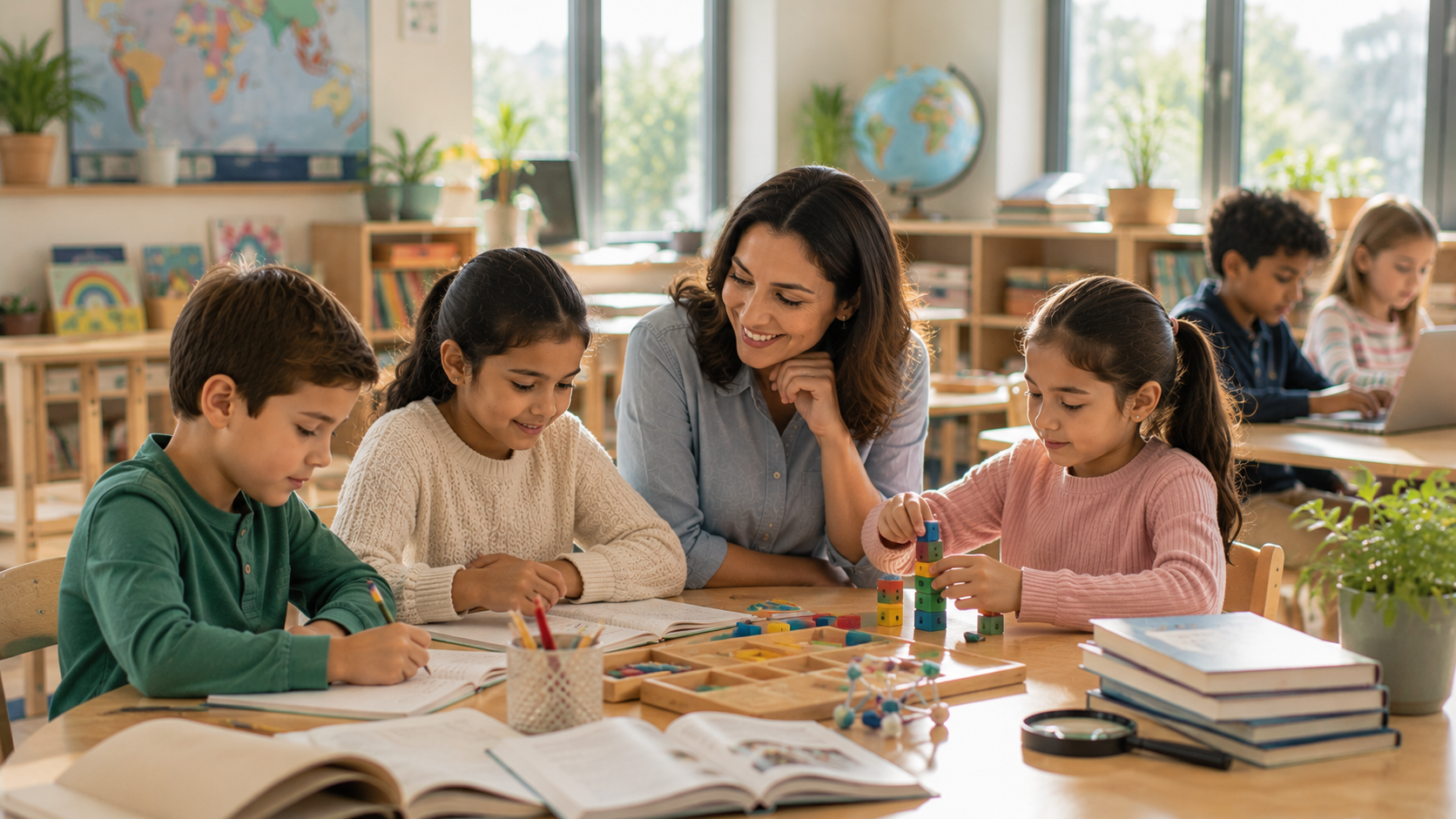
Alongside academic development, children continue building communication skills, learning how to collaborate with others, resolve disagreements respectfully and contribute positively within group activities. Whether working on science investigations, creative projects or team sports, these experiences strengthen social confidence and cooperation.
Curiosity and problem-solving become increasingly important as children learn to ask thoughtful questions, investigate ideas and think critically. Rather than simply remembering information, they begin applying knowledge in meaningful ways across a wide range of subjects and real-life situations.
By the end of the primary years, children are preparing for the transition into secondary school, where increased independence, organisation and confidence become even more important. Strong learning habits developed during primary education help make this transition smoother while supporting continued success throughout later stages of education.
Practical Guidance
1. Encourage a Love of Learning
Children are more likely to remain engaged when learning feels enjoyable, meaningful and rewarding. Rather than focusing solely on results, parents can encourage curiosity by celebrating effort, asking about what children have discovered and showing genuine interest in their learning experiences.
Simple conversations about school, discussing interesting facts, exploring museums, visiting libraries or encouraging children to investigate topics that capture their imagination all help reinforce the idea that learning extends far beyond the classroom.
When children associate learning with curiosity and personal growth rather than pressure alone, they are more likely to develop lasting motivation that continues throughout their education.
2. Create Positive Homework Habits
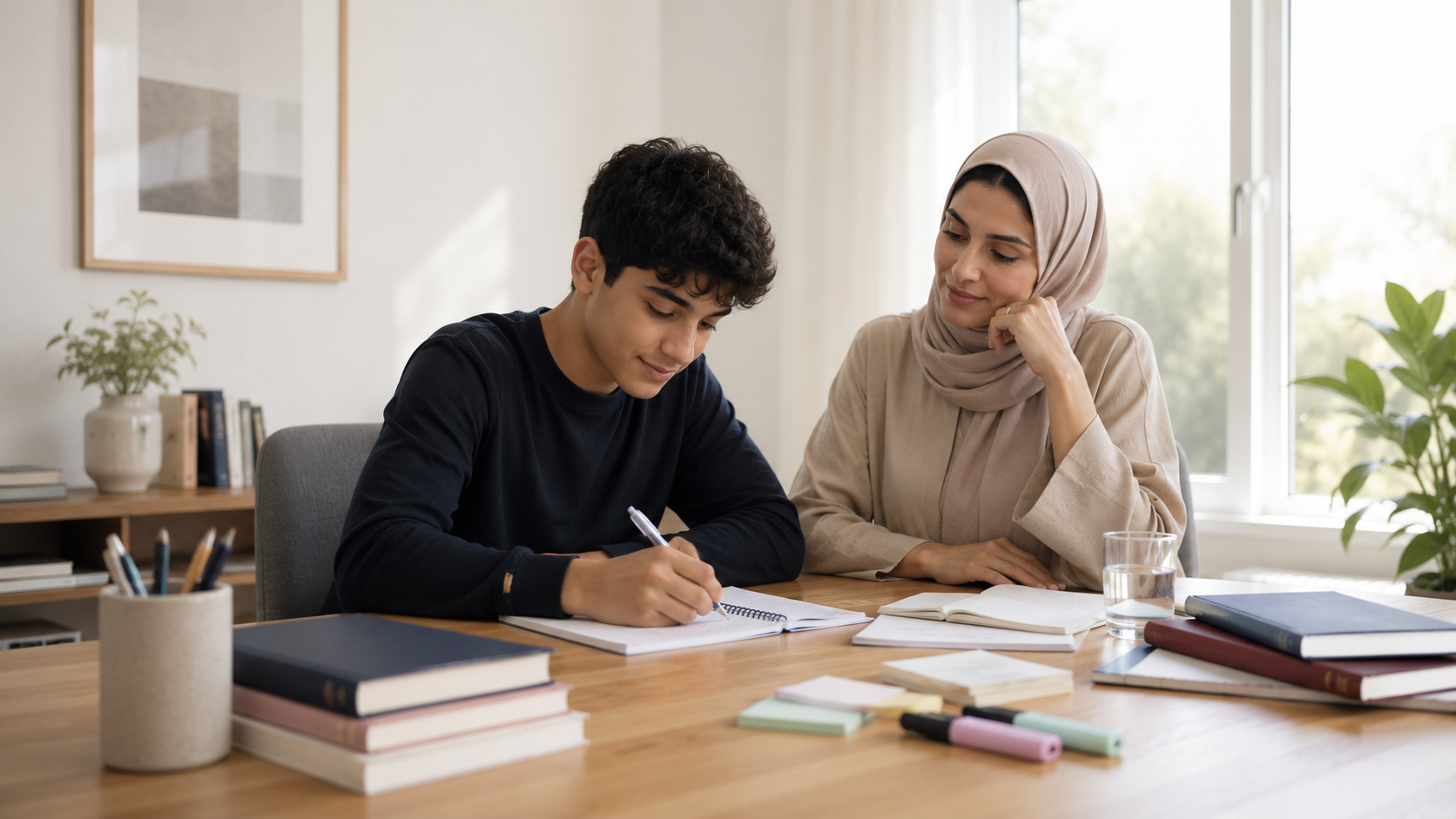
Homework provides opportunities for children to practise new skills, reinforce classroom learning and gradually develop greater independence. Establishing consistent homework routines helps children understand that learning is a regular part of everyday life rather than something that happens only at school.
A quiet, organised space with minimal distractions allows children to concentrate more effectively. Encouraging children to begin independently before offering guidance also helps build confidence and problem-solving skills.
Parents do not need to provide every answer. Supporting children by asking questions, discussing ideas and encouraging them to think through challenges often develops greater understanding than completing work on their behalf.
3. Read Together and Encourage Independent Reading
Reading remains one of the most valuable ways to support learning throughout the primary years. Even after children become independent readers, sharing books together continues to strengthen vocabulary, comprehension, imagination and critical thinking.
Encourage children to read a wide variety of books, including fiction, non-fiction, biographies, science, history and subjects that reflect their individual interests. Giving children opportunities to choose their own books often increases enthusiasm and develops positive reading habits.
Talking about stories, discussing characters, predicting endings and encouraging children to explain what they have read all help deepen understanding while making reading an enjoyable shared experience rather than simply another school task.
4. Build Numeracy Through Everyday Activities
Mathematics becomes far more meaningful when children recognise how it applies to everyday life. Shopping, cooking, measuring, budgeting, telling the time, planning journeys and playing board games all provide natural opportunities to strengthen numeracy skills.
These practical experiences reinforce classroom learning while helping children develop confidence in applying mathematical thinking outside formal lessons. They also demonstrate that mathematics is a useful life skill rather than simply another school subject.
Children often become more confident when they see that making mistakes is part of solving problems. Encouraging persistence and discussing different approaches helps develop flexible thinking alongside mathematical understanding.
5. Encourage Questions and Curiosity
Curiosity is one of the most valuable qualities children can develop during the primary years. Asking questions, exploring ideas and investigating how things work encourages deeper understanding while helping children become active participants in their own learning.
Parents can nurture curiosity by welcoming questions, exploring answers together and encouraging children to think critically rather than immediately providing every solution. Everyday experiences such as nature walks, cooking, science experiments or observing the world around them often lead to valuable conversations and meaningful learning.
Supporting curiosity across literacy, science, mathematics, creative subjects and everyday life helps children develop confidence in their ability to explore unfamiliar ideas independently while building the problem-solving skills that will continue supporting them throughout secondary school and beyond.
6. Support Friendships and Social Skills
The primary years are a time when friendships become increasingly important. As children spend more time working, playing and learning alongside their classmates, they begin developing the communication, empathy and cooperation skills that support both academic success and personal wellbeing.
Parents can help by encouraging children to talk about their friendships, listen to different perspectives and develop respectful ways of resolving disagreements. Everyday conversations about kindness, honesty, teamwork and inclusion help children understand how positive relationships are built over time.
Extracurricular activities, sports teams, music groups and creative clubs also provide valuable opportunities to develop confidence, meet new friends and strengthen social skills in different environments. These experiences often complement classroom learning while helping children discover new interests and talents.
7. Develop Organisation and Responsibility
As children progress through the primary years, they gradually take greater responsibility for their own learning. Learning to organise school materials, manage homework, remember important dates and prepare for the school day helps children develop independence that will become increasingly valuable during secondary education.
Parents can support these skills by encouraging children to pack their own school bag, check homework requirements, prepare equipment for the following day and use simple planners or calendars where appropriate. These routines build confidence while reducing reliance on adults for everyday organisation.
Small responsibilities also help children recognise that learning involves personal ownership. Developing these habits gradually makes future academic expectations feel more manageable while strengthening confidence in their own abilities.
8. Work in Partnership with Teachers
Strong communication between home and school helps create a consistent and supportive learning experience for children. Teachers provide valuable insight into classroom progress, while parents often have a deeper understanding of their child's personality, interests and learning preferences.
Regular communication does not need to focus only on concerns or difficulties. Celebrating progress, discussing strengths and sharing observations allows parents and teachers to work together in supporting each child's development across literacy, mathematics, science, creative subjects and personal growth.
If challenges arise, addressing them early through positive conversations often leads to more effective solutions. A collaborative partnership between families and educators helps children feel supported by the important adults involved in their education.
9. Balance Learning with Play and Wellbeing
Although academic learning becomes increasingly important during the primary years, children continue to benefit greatly from opportunities to play, explore, create and rest. A balanced routine supports emotional wellbeing while helping children remain motivated and engaged with their learning.
Physical education, outdoor activities, imaginative play, hobbies and creative interests all contribute to healthy development. These experiences encourage problem-solving, teamwork, resilience and confidence while providing valuable opportunities to relax after busy school days.
Children also benefit from sufficient sleep, regular family time and opportunities to talk about their experiences. Looking after emotional wellbeing creates a strong foundation that supports both learning and healthy development throughout childhood.
10. Celebrate Progress Rather Than Perfection
Children develop confidence when they recognise how much they are improving rather than focusing only on achieving perfect results. Every new skill mastered, challenge overcome and piece of constructive feedback applied contributes to meaningful long-term growth.
Parents can encourage this mindset by recognising persistence, curiosity, thoughtful effort and resilience alongside academic achievement. A child who continues practising difficult mathematics, improves their reading confidence or becomes more organised has made valuable progress regardless of whether every outcome is perfect.
Helping children understand that learning is a gradual process encourages them to embrace challenges, learn from mistakes and remain motivated even when subjects become more demanding. These attitudes often become some of the most valuable lessons children take with them into secondary school and beyond.
Common Mistakes Parents Should Avoid
- Focusing only on grades.
Academic results are important, but confidence, curiosity, resilience, communication and problem-solving are equally valuable outcomes of primary education. - Completing homework for children.
Supporting children as they work through challenges helps develop understanding and independence. Doing the work for them may provide short-term success but limits opportunities for genuine learning. - Comparing children with classmates.
Every child develops at a different pace and has unique strengths. Comparisons can reduce confidence and shift attention away from individual progress. - Overscheduling every afternoon.
While extracurricular activities provide valuable opportunities, children also need time to rest, play, read and enjoy family life. A balanced routine supports both wellbeing and learning. - Overlooking emotional wellbeing.
Children learn most effectively when they feel safe, supported and confident. Paying attention to friendships, emotional health and overall happiness is just as important as monitoring academic progress. - Expecting immediate mastery of every subject.
Learning takes time. Encouraging persistence, celebrating improvement and accepting mistakes as part of the learning process helps children develop resilience and long-term confidence.
Frequently Asked Questions
How much should I help with homework?
Offer guidance and encouragement rather than providing answers. Helping children understand instructions, discuss ideas and think through problems independently usually develops greater confidence and deeper understanding than completing work on their behalf.
What if my child dislikes reading?
Try offering books that reflect your child's interests rather than focusing only on traditional stories. Comics, biographies, science books, magazines or books linked to hobbies can all help develop positive reading habits. Reading together and discussing books also helps make reading a shared and enjoyable experience.
Is it normal for children to progress at different rates?
Yes. Every child develops unique strengths and learns at their own pace. Some may progress quickly in literacy, while others excel in mathematics, creative subjects or practical learning. Consistent support and encouragement are usually far more beneficial than comparisons with others.
How can I encourage greater independence?
Gradually encourage children to organise their belongings, manage homework routines, make age-appropriate decisions and solve simple problems independently. Offering support when needed while allowing children to take responsibility helps build confidence and self-belief.
When should I consider extra academic support?
If your child continues to struggle with a particular subject despite consistent classroom support, or if confidence begins affecting their enjoyment of learning, discussing concerns with their teacher is a sensible first step. Additional support from a tutor may also be beneficial by providing personalised guidance that helps strengthen understanding and rebuild confidence.
Summary
The primary years are about much more than achieving strong academic results. They provide children with the opportunity to develop literacy, numeracy, communication, critical thinking, resilience and independence while discovering the confidence to approach new challenges with curiosity and determination.
Parents play an important role by creating positive routines, encouraging effort, supporting emotional wellbeing and maintaining strong partnerships with teachers. These everyday experiences help children develop not only knowledge but also the habits and attitudes that support lifelong learning.
Rather than striving to create perfect students, the goal is to help children become capable, confident and curious learners who enjoy discovering new ideas and believe in their ability to continue improving. These strong foundations prepare children to approach secondary education and future opportunities with resilience, independence and enthusiasm.
Daresni Tip: Primary school is where strong learning habits begin. Encouraging curiosity, celebrating progress and supporting independence today helps children approach future learning with confidence.