School Transitions: Helping Children Thrive Through Change
School transitions are among the most significant milestones in a child's educational journey. Whether starting nursery, beginning Reception or Kindergarten, moving into primary or secondary school, changing schools, relocating internationally or returning after a long school holiday, every transition introduces new experiences, expectations and opportunities for growth.
Alongside excitement, these changes can also bring feelings of uncertainty. Children may need to adapt to unfamiliar classrooms, different teachers, new classmates, changing routines and increased academic expectations. Some children embrace these experiences with enthusiasm, while others take more time to feel comfortable. Both responses are entirely normal.
It is important to remember that feeling nervous about change does not mean a child is unprepared or unlikely to succeed. Every learner adjusts at their own pace, influenced by their personality, previous experiences, confidence and the support they receive from the adults around them.
Although transitions can feel challenging in the moment, they also provide valuable opportunities to develop resilience, independence, adaptability and confidence. With thoughtful preparation, open communication and consistent support, most children gradually settle into their new environment and emerge from the experience with greater self-belief and valuable life skills that will continue to benefit them throughout their education.
Why School Transitions Matter
Change naturally creates a degree of uncertainty, even when the outcome is positive. Starting a new school or moving into a different stage of education often means learning unfamiliar routines, meeting new people and adjusting to different expectations. For children, these changes may feel exciting one day and overwhelming the next.
Every child responds differently. Some quickly make new friends and enjoy exploring unfamiliar surroundings, while others prefer additional time to observe, ask questions and gradually build confidence. Age, personality, previous experiences and family circumstances all influence how children adapt to change, which is why no two transitions look exactly the same.
School transitions involve more than academic adjustments. Children are also developing new friendships, building relationships with teachers, learning different routines and becoming familiar with an entirely new social environment. For families relocating internationally or moving between educational systems such as the British, American, International Baccalaureate (IB) or Ministry programmes, children may also need to adjust to different teaching approaches, assessment methods or languages of instruction.
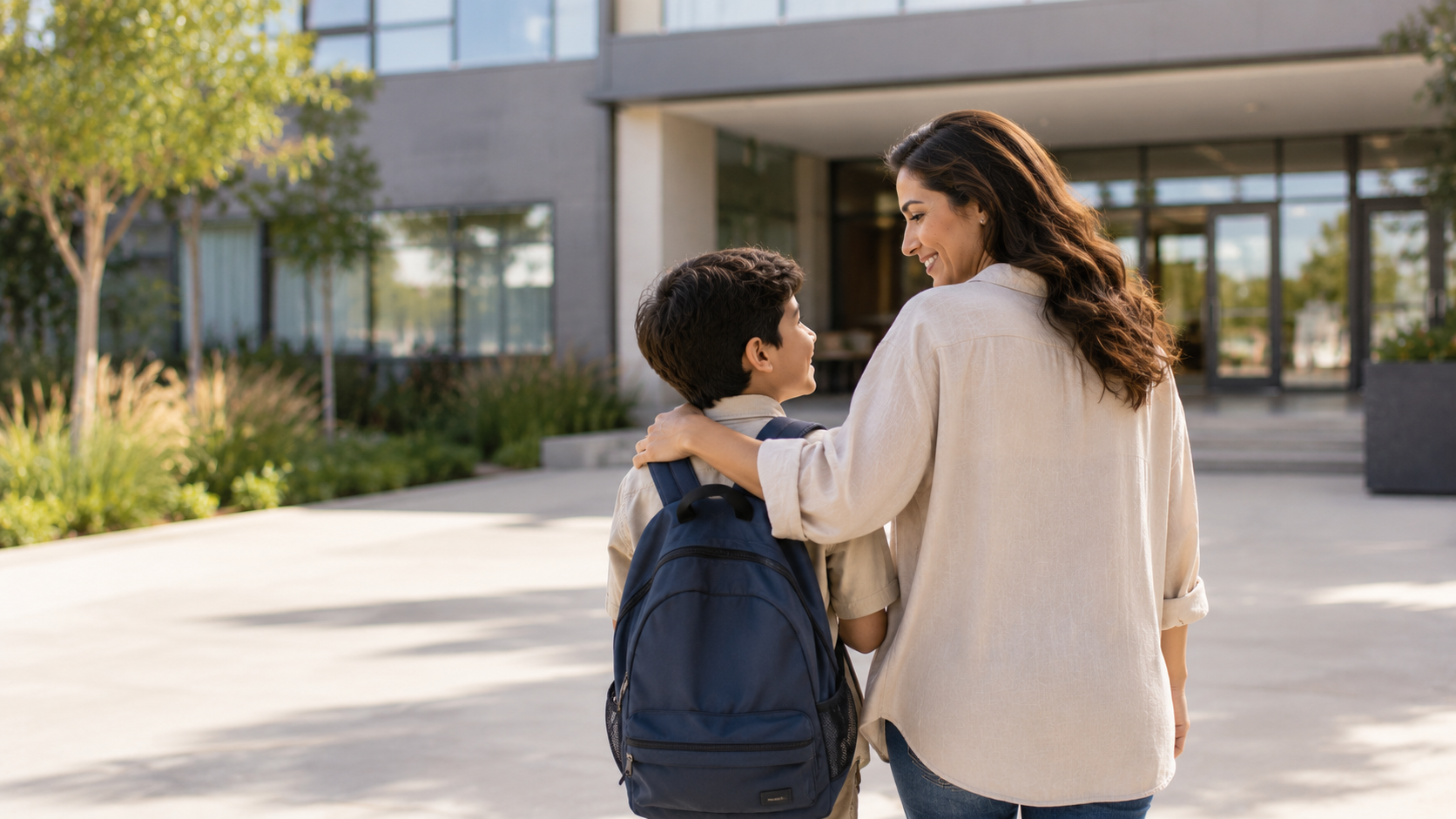
Feeling safe, understood and supported during these periods allows children to approach change with greater confidence. Parents, teachers and school staff all play an important role in creating this sense of security by providing reassurance, maintaining open communication and responding patiently to children's questions and concerns.
Perhaps most importantly, successful transitions often strengthen confidence over time. Every new classroom navigated, every friendship formed and every challenge overcome helps children develop the resilience needed to approach future changes with increasing independence.
Parents also have a significant influence on how children perceive change. Children often look to trusted adults when deciding whether a new situation feels exciting, manageable or frightening. Calm reassurance, positive language and realistic expectations help children view transitions not simply as challenges to overcome, but as opportunities to learn, grow and discover new possibilities.
Practical Guidance
1. Prepare Children Before the Transition
Preparation is one of the most effective ways to help children approach change with confidence. Talking about what to expect before a transition gives children time to ask questions, process information and become familiar with the idea of what lies ahead.
Conversations should be honest, reassuring and appropriate for the child's age. Younger children may benefit from discussing simple daily routines, such as where they will hang their coat or who will collect them at the end of the day. Older children may have questions about timetables, subject choices, lockers, extracurricular activities or making new friends.
Whether a child is starting nursery, moving into secondary school or relocating to a new country, providing information gradually often feels less overwhelming than discussing everything at once. Familiarity helps reduce uncertainty and allows children to picture themselves successfully adapting to their new environment.
2. Talk Openly About Feelings
Children often experience a mixture of emotions during periods of change. They may feel excited, curious, nervous and uncertain—all within the same day. Creating opportunities to talk openly about these feelings helps children understand that their emotions are both recognised and accepted.
Rather than immediately reassuring children that "everything will be fine," begin by listening carefully. Questions such as, "What are you most looking forward to?" or, "Is there anything you're worried about?" encourage children to express their thoughts without feeling judged or rushed.
Parents do not need to have every answer. Simply acknowledging that change can feel unfamiliar while expressing confidence in a child's ability to adapt often provides valuable reassurance.
3. Keep Routines as Consistent as Possible
When one part of a child's life is changing, familiar routines at home provide an important sense of stability. Regular meal times, bedtime routines, family conversations and predictable daily habits help create a reassuring foundation during periods of adjustment.
This consistency is particularly valuable during larger transitions, such as changing schools or relocating internationally, when many other aspects of daily life may already feel unfamiliar.
Maintaining familiar routines does not remove every challenge, but it gives children a sense of continuity that can help them feel more secure while adapting to new surroundings.
4. Visit the New School or Environment
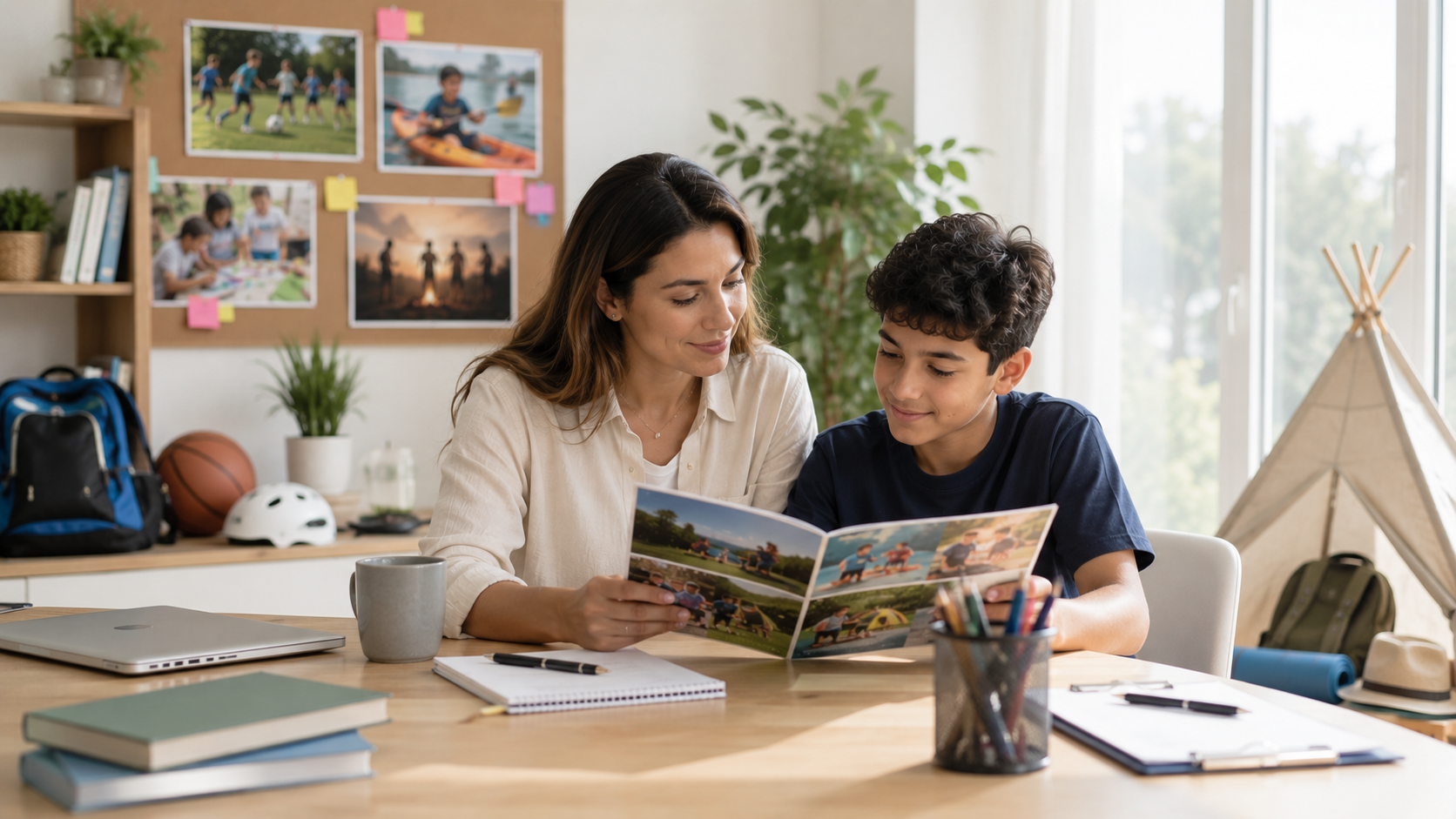
Whenever possible, allowing children to become familiar with a new environment before their first day can significantly reduce uncertainty. Visiting the school, walking through the grounds or exploring nearby areas helps replace unfamiliarity with recognition.
Many schools offer orientation sessions or opportunities to meet teachers before the academic year begins. Even if a formal visit is not possible, viewing photographs, maps or information provided by the school can help children build familiarity.
For families relocating internationally or changing educational systems, discussing differences in school routines, uniforms, subjects or teaching approaches beforehand also helps children develop realistic expectations and reduces unnecessary surprises.
5. Encourage Independence
School transitions often coincide with children taking on greater responsibility. They may begin organising their own belongings, managing homework more independently, navigating larger school environments or following more complex daily schedules.
Parents can gradually prepare children by encouraging age-appropriate independence before the transition takes place. Younger children may practise packing their school bag or putting on their uniform independently, while older students can begin organising study materials, managing timetables or planning homework routines.
Each successful experience reinforces a child's belief that they are capable of managing new responsibilities. Building independence before major transitions often makes adapting to new expectations feel more achievable once the school year begins.
6. Build New Friendships Gradually
One of the biggest concerns many children have during a school transition is whether they will make new friends. While some children quickly form connections, others prefer to observe their surroundings before feeling ready to join conversations or group activities. Both approaches are perfectly normal.
Parents can reassure children that friendships often develop gradually rather than immediately. Encouraging children to introduce themselves, join clubs or extracurricular activities, participate in group projects or simply smile and greet classmates can help create natural opportunities for new relationships to develop.
It is also helpful to remind children that building meaningful friendships takes time. Rather than expecting them to have close friends after only a few days, celebrate smaller milestones such as learning classmates' names, enjoying conversations at break time or feeling more comfortable participating in lessons.
7. Support Academic Confidence
School transitions sometimes involve changes in teaching styles, assessment methods or academic expectations. Children moving between educational systems—such as British, American, International Baccalaureate (IB) or Ministry programmes—may also encounter different approaches to learning, classroom routines or curriculum content.
It is entirely normal for children to need time to adjust academically while becoming familiar with new expectations. Some learners may experience a temporary dip in confidence or require additional practice as they adapt to different ways of working.
Parents can help by focusing on steady progress rather than immediate results. Encouraging effort, celebrating improvement and maintaining realistic expectations allows children to build confidence while recognising that successful learning often takes place gradually during periods of transition.
8. Stay Connected With Teachers
Open communication between home and school provides valuable support throughout periods of change. Teachers can often provide insight into how children are settling socially, emotionally and academically, while parents can share information that may help staff better understand a child's individual needs.
Regular communication does not mean monitoring every aspect of a child's school day. Instead, it creates opportunities to celebrate progress, discuss concerns early and work together to support successful adjustment.
For families relocating internationally or changing schools, maintaining a positive partnership with teachers can be particularly valuable during the first few months as children become familiar with new routines and expectations.
9. Be Patient During the Adjustment Period
Every transition involves a period of adjustment, and this rarely follows a perfectly predictable path. Some children appear confident during the first few days before becoming more emotional later, while others may seem hesitant initially but settle quickly once routines become familiar.
Parents should avoid expecting immediate happiness or assuming that occasional worries indicate that something is wrong. Feeling tired, needing additional reassurance or expressing mixed emotions during the first few weeks is often part of adapting to change.
Patience, encouragement and consistent support allow children to develop confidence at their own pace. Rather than focusing on how quickly they adjust, it is more helpful to notice the gradual signs of progress that appear over time.
10. Celebrate Progress and New Experiences
Recognising small achievements helps children appreciate how far they have come during periods of change. These milestones might include remembering a new routine, finding their classroom independently, speaking confidently with a teacher or simply feeling more relaxed at the end of the school day.
Celebrating progress does not require large rewards. A conversation about what went well, acknowledging a child's courage or reflecting on new experiences together helps reinforce positive memories and encourages children to recognise their own growing confidence.
Each successful transition prepares children for future changes. Whether moving into a new year group, changing schools, returning after a long holiday or eventually progressing to higher education, every experience strengthens the adaptability and resilience that support lifelong learning.
Common Mistakes Parents Should Avoid
- Assuming every child adjusts at the same pace.
Some children settle within days, while others require several weeks or longer to feel fully comfortable. Allowing children to adapt at their own pace helps reduce unnecessary pressure. - Dismissing worries as unimportant.
Even concerns that seem small to adults can feel significant to children. Listening carefully and acknowledging their feelings helps children feel understood and supported. - Comparing siblings or classmates.
Every child has a unique personality and responds differently to change. Comparisons may undermine confidence and increase anxiety rather than encouraging adjustment. - Transferring parental anxiety to children.
Children often look to adults for reassurance. Speaking positively about new opportunities while acknowledging that change can feel unfamiliar helps children approach transitions with greater confidence. - Expecting immediate happiness.
Successful transitions develop gradually. It is normal for children to experience a mixture of excitement, uncertainty and occasional setbacks before feeling fully settled. - Focusing only on academic performance.
Building friendships, learning routines, developing confidence and feeling emotionally secure are equally important aspects of a successful transition and often provide the foundation for later academic success.
Frequently Asked Questions
How long does it take children to settle into a new school?
Every child is different. Some feel comfortable within a few days, while others may take several weeks or even longer to adjust fully. Progress is rarely completely linear, and occasional setbacks are a normal part of adapting to change.
What if my child doesn't make friends straight away?
Friendships often develop gradually. Encourage your child to participate in classroom activities, clubs or shared interests while reminding them that meaningful friendships usually take time to grow. Small positive interactions are often the first step towards lasting relationships.
Is it normal for academic performance to dip temporarily?
Yes. During transitions, children are adjusting to new routines, teachers and expectations alongside continuing their learning. Temporary changes in academic performance are common and often improve as children become more confident in their new environment.
How can I help an anxious child before the first day?
Talk openly about what to expect, answer questions honestly and focus on familiar routines that provide reassurance. Visiting the school beforehand, discussing practical details and expressing confidence in your child's ability to adapt can also help reduce uncertainty.
When should I speak to the school?
Maintaining regular communication is beneficial throughout any transition. If concerns continue for several weeks, or if your child appears increasingly distressed, withdrawn or is struggling significantly with friendships or learning, speaking with teachers allows families and schools to work together to provide appropriate support.
Summary
School transitions are an important part of growing up. Whether children are starting nursery, moving into primary or secondary education, changing schools, relocating internationally or adapting to a different curriculum, each transition brings opportunities to develop resilience, independence and confidence alongside new learning experiences.
Successful transitions are not about eliminating uncertainty or ensuring that children never feel nervous. Instead, they are about helping children feel supported, understood and prepared as they gradually adapt to new environments, routines and relationships.
With thoughtful preparation, open communication, consistent routines and patient encouragement, most children settle successfully and emerge from each transition with greater confidence in their ability to manage future changes. These experiences become valuable building blocks that support lifelong learning, adaptability and personal growth.
Daresni Tip: Every successful transition builds resilience. By offering reassurance, maintaining routines and celebrating small milestones, parents help children develop the confidence to embrace future changes with greater independence.