Secondary Education: Preparing Teenagers for Future Success
The secondary school years represent an important bridge between childhood and adulthood. During this stage, young people begin taking greater responsibility for their learning while navigating increased academic expectations, growing independence and important decisions about their future. Whether following a British, American, International Baccalaureate (IB), Ministry or another educational programme, these years help prepare students for higher education, careers and adult life.
Alongside studying more advanced subjects, teenagers are developing skills that extend well beyond the classroom. They learn to manage their time, organise coursework, prepare for examinations, work collaboratively, think critically and solve increasingly complex problems. They also begin discovering their personal interests, strengths and ambitions while gradually developing the confidence to make more independent decisions.
Adolescence is also a period of significant emotional and social development. Friendships evolve, personal identities continue to develop and teenagers become increasingly aware of their own goals and responsibilities. These changes can sometimes bring uncertainty, but they also provide valuable opportunities to develop resilience, adaptability and self-confidence.
Success during secondary education is therefore about far more than achieving excellent examination results. It is about helping young people become capable, curious and responsible individuals who are prepared to continue learning, adapt to new opportunities and make thoughtful decisions throughout their lives. With consistent encouragement, healthy routines and supportive relationships, parents can help teenagers build the confidence and skills they need to thrive both during school and beyond.
Why Secondary Education Matters
Secondary education allows students to build on the knowledge and skills developed during their primary years while exploring subjects in greater depth. Literacy, mathematics, science, humanities, languages, technology and creative disciplines become increasingly challenging, encouraging students to apply knowledge, evaluate information and develop independent thinking.
Critical thinking and problem-solving become central to learning throughout adolescence. Rather than simply remembering information, students are increasingly expected to analyse ideas, investigate evidence, complete independent research and develop well-reasoned conclusions. These skills support success across every subject while preparing young people for future education and employment.
Secondary school also encourages increasing independence. Students gradually take greater responsibility for managing coursework, organising revision, meeting deadlines and balancing academic commitments with extracurricular activities and personal interests. These experiences help develop organisational skills and personal responsibility that remain valuable throughout adult life.
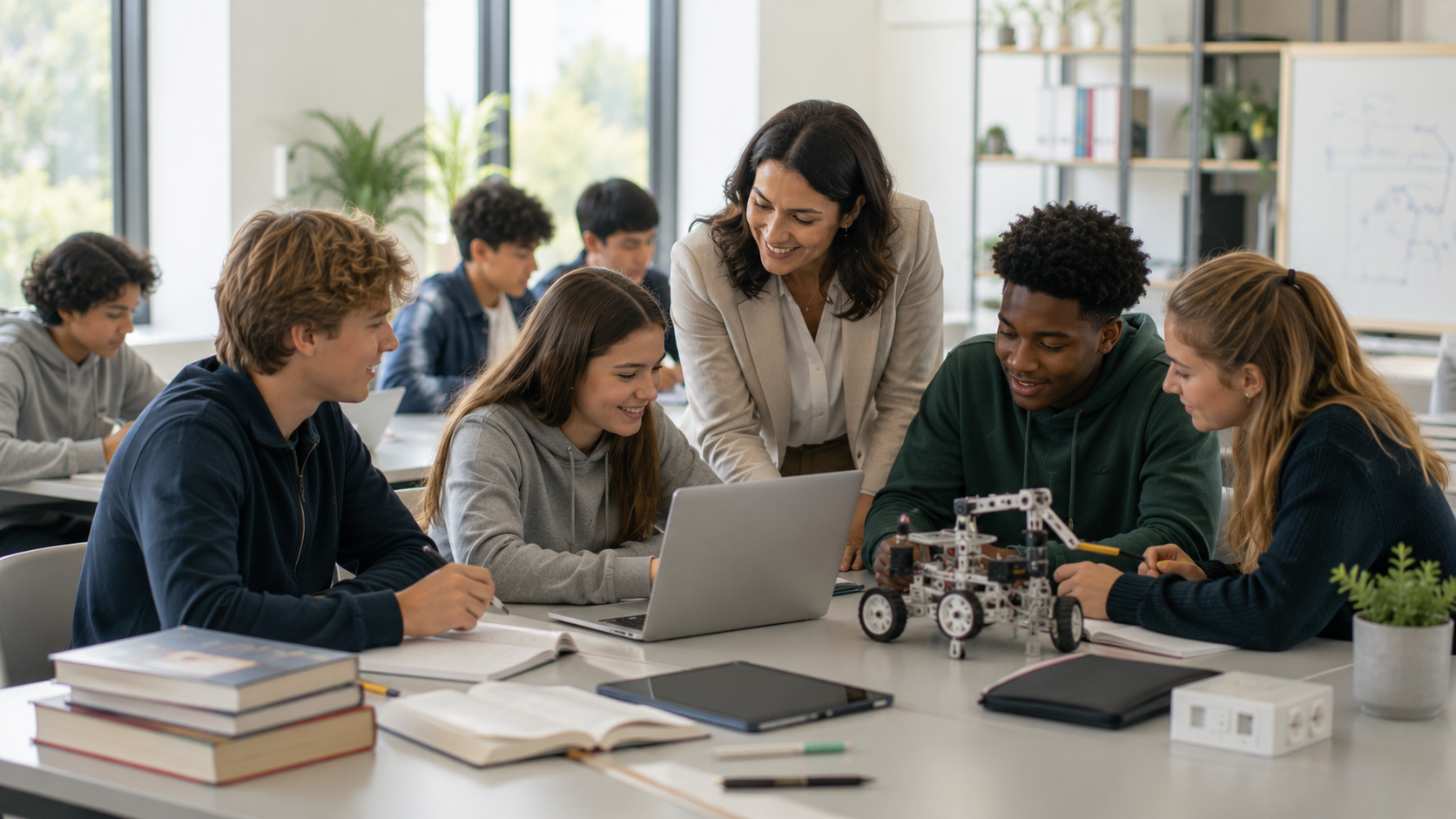
Communication and collaboration continue to play an important role. Group projects, classroom discussions, leadership opportunities, presentations and team activities strengthen young people's ability to express ideas confidently, work effectively with others and develop respect for different perspectives.
As students progress through the secondary years, they also begin considering future pathways. Subject choices, career interests, university preparation and vocational opportunities gradually become more relevant. Rather than expecting teenagers to have every answer immediately, secondary education provides opportunities to explore different possibilities while developing the flexibility needed to adapt as interests continue evolving.
Ultimately, secondary education prepares young people not only for examinations but also for lifelong learning. The ability to think independently, communicate effectively, solve problems and continue developing new skills will remain valuable regardless of the academic or professional path they eventually choose.
Practical Guidance
1. Encourage Independent Learning
As teenagers mature, developing independence becomes one of the most valuable aspects of their education. While parents continue providing guidance and encouragement, young people benefit from gradually taking greater ownership of their learning.
Encourage teenagers to plan revision schedules, organise coursework, identify areas where they need additional practice and seek solutions before asking for help. These experiences strengthen confidence while helping students understand that learning is an active process requiring personal responsibility.
Supporting independence does not mean stepping away completely. Regular conversations about progress, goals and any challenges they may be experiencing help parents remain involved while allowing teenagers to develop the confidence needed to manage increasing academic responsibilities.
2. Support Healthy Study Habits
Successful studying is built through consistent routines rather than last-minute revision. Establishing regular study habits throughout the school year allows teenagers to strengthen understanding gradually while reducing unnecessary pressure before examinations.
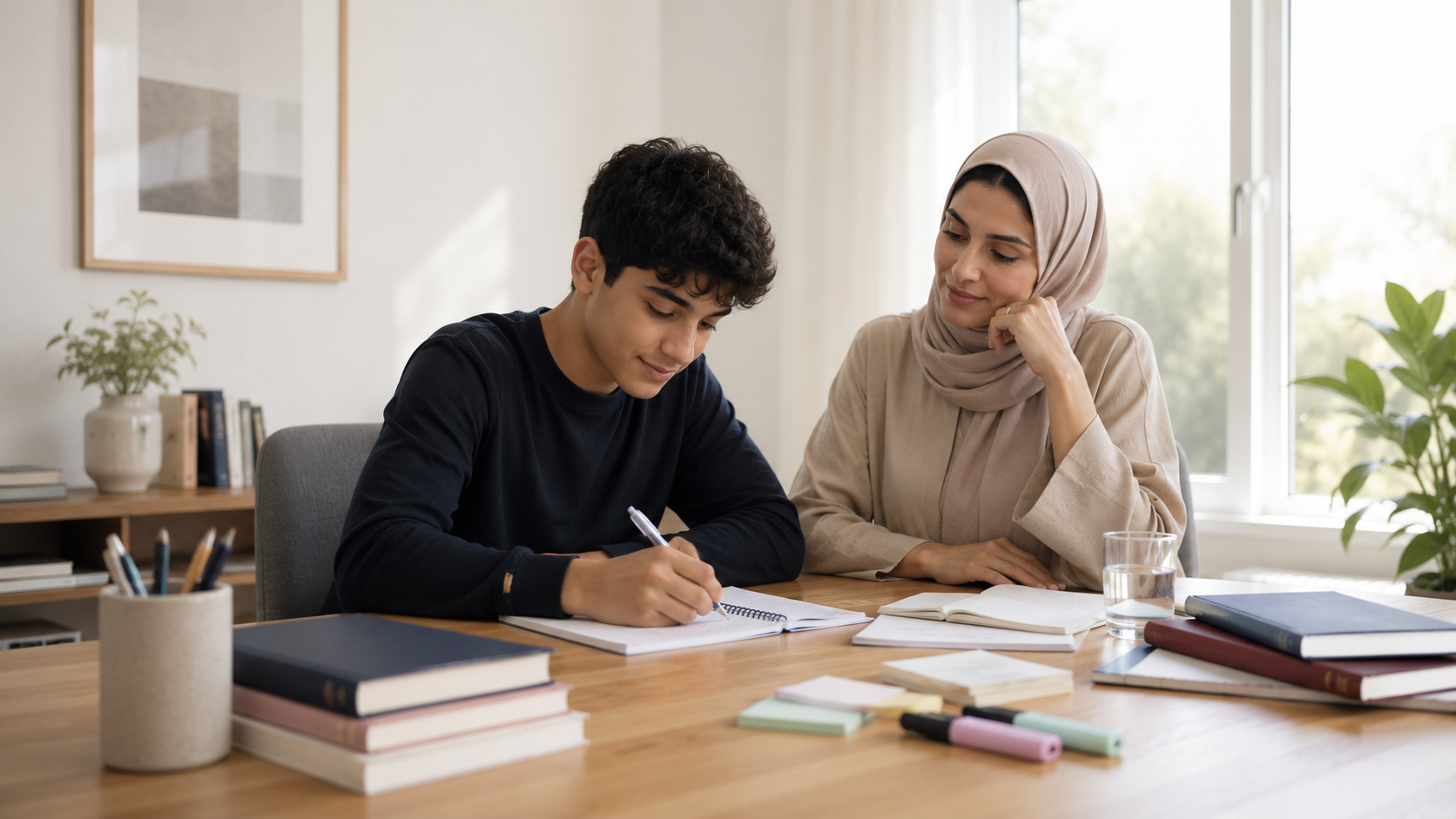
A quiet study space, realistic revision plans and regular breaks all contribute to more effective concentration. Encouraging students to review learning regularly, rather than relying solely on intensive revision immediately before assessments, often leads to deeper understanding and greater confidence.
Healthy study habits also include maintaining balance. Adequate sleep, physical activity and opportunities to relax all support concentration, memory and overall wellbeing, making learning more effective over the long term.
3. Help Teenagers Manage Their Time
Secondary education often requires students to balance lessons, homework, coursework, revision, extracurricular activities, family commitments and social lives. Learning how to manage these competing responsibilities is an important life skill that continues far beyond school.
Parents can encourage teenagers to use calendars, planners or digital tools to organise assignments and important deadlines. Breaking larger projects into smaller tasks helps make workloads feel more manageable while reducing the temptation to leave everything until the final moment.
Developing effective time management is not about creating perfect schedules. It is about helping teenagers recognise priorities, plan ahead and gradually build routines that reduce stress while encouraging greater independence.
4. Keep Communication Open
Although teenagers naturally become more independent, they continue benefiting from supportive relationships with trusted adults. Maintaining open communication helps parents understand how young people are managing academic demands, friendships, personal challenges and future aspirations.
Regular conversations do not always need to focus on school performance. Asking about interesting lessons, friendships, hobbies or future interests often creates opportunities for meaningful discussion without making every conversation feel like a progress review.
Listening carefully, avoiding immediate judgement and showing genuine interest encourages teenagers to seek guidance when they need it. Knowing they have supportive adults available provides valuable reassurance throughout this important stage of development.
5. Encourage Responsibility and Decision-Making
The secondary years provide increasing opportunities for young people to make thoughtful decisions about their education and future. Choosing subjects, balancing commitments, setting personal goals and taking responsibility for their own progress all contribute to growing maturity.
Parents can support this development by involving teenagers in decisions rather than making every choice on their behalf. Discussing different options, exploring possible consequences and encouraging independent thinking helps young people develop sound judgement while building confidence in their ability to make informed decisions.
Learning to make decisions also includes learning from occasional mistakes. Experiencing setbacks in a supportive environment helps teenagers develop resilience, problem-solving skills and the confidence to adapt when plans do not unfold exactly as expected.
6. Support Emotional Wellbeing During Academic Pressure
Periods of coursework, revision and examinations can naturally increase pressure for many teenagers. While some students enjoy the challenge, others may experience periods of self-doubt, frustration or anxiety as academic expectations become more demanding. These reactions are a normal part of adolescence and do not necessarily indicate that a young person is unable to cope.
Parents can provide valuable support by encouraging healthy routines rather than focusing solely on results. Regular sleep, balanced nutrition, physical activity, time to relax and opportunities to spend time with family and friends all contribute to emotional wellbeing and help teenagers manage periods of increased academic demand.
It is equally important to remind teenagers that examinations measure knowledge and skills at a particular point in time rather than defining their potential or future success. Consistent encouragement and reassurance often help young people approach challenges with greater confidence than pressure or constant reminders about achievement.
7. Explore Future Interests and Career Pathways
Secondary school provides valuable opportunities for teenagers to discover the subjects, careers and learning pathways that interest them most. Some students develop clear ambitions early, while others need time to explore different possibilities before deciding on future directions. Both approaches are entirely normal.
Parents can encourage exploration by discussing different professions, attending careers events, visiting universities, learning about vocational pathways or encouraging work experience where appropriate. Conversations should remain open and supportive rather than suggesting there is only one "correct" route to success.
Whether a teenager eventually chooses university, vocational education, apprenticeships or another pathway, helping them understand the wide range of opportunities available encourages thoughtful decision-making while reducing unnecessary pressure to make immediate long-term commitments.
8. Balance Technology, Social Life and Study
Technology plays an important role throughout secondary education. Digital resources support independent research, coursework, communication and collaboration, while online learning tools often complement classroom teaching. At the same time, social media, messaging and entertainment can become significant distractions if healthy boundaries are not maintained.
Rather than viewing technology as either entirely positive or negative, parents can encourage teenagers to develop balanced digital habits. Discussing appropriate times for study, rest and social media use helps young people learn to manage their own attention and make thoughtful decisions about how they spend their time.
Maintaining opportunities for face-to-face friendships, family conversations, physical activity and hobbies alongside responsible technology use supports both wellbeing and academic success while strengthening the self-management skills teenagers will continue using throughout adulthood.
9. Encourage Participation Beyond the Classroom
Secondary education extends well beyond academic lessons. Extracurricular activities, sports, music, volunteering, debating, creative arts, leadership opportunities and community projects all help young people develop valuable personal and professional skills.
These experiences strengthen teamwork, communication, leadership, resilience and confidence while allowing teenagers to explore interests that may influence future educational or career choices. They also provide opportunities to meet new people, contribute positively to their communities and experience success in different environments.
Participation should remain balanced and enjoyable. Rather than filling every available hour with organised activities, encourage teenagers to choose opportunities that genuinely interest them while leaving sufficient time for study, relaxation and family life.
10. Celebrate Growth, Resilience and Progress
Teenagers often place significant pressure on themselves, particularly during examination years. Parents can help maintain a healthy perspective by recognising the personal growth that occurs throughout secondary education alongside academic achievement.
Developing stronger study habits, managing responsibilities independently, improving organisation, overcoming setbacks, showing perseverance and becoming more confident are all important signs of progress. These qualities frequently contribute just as much to future success as examination results alone.
By celebrating effort, resilience and continuous improvement, parents encourage teenagers to view learning as an ongoing journey. This mindset helps young people approach future challenges with confidence while recognising that success develops gradually through consistent effort and a willingness to keep learning.
Common Mistakes Parents Should Avoid
- Focusing only on examination results.
Academic achievement is important, but confidence, resilience, critical thinking, communication and independence are equally valuable outcomes of secondary education. - Comparing teenagers with siblings or friends.
Every young person develops different strengths, interests and ambitions. Comparisons can reduce confidence and distract from individual progress and personal goals. - Solving every problem for them.
Teenagers benefit from opportunities to make decisions, solve challenges and learn from experience. Offering guidance while encouraging independence helps develop resilience and self-belief. - Overscheduling every hour.
Balancing study with rest, hobbies, friendships and family life supports both wellbeing and academic performance. Constant activity can contribute to unnecessary stress and fatigue. - Dismissing emotional wellbeing.
Periods of stress, uncertainty and changing emotions are a normal part of adolescence. Listening carefully and maintaining supportive communication are just as important as monitoring academic progress. - Assuming every teenager must follow the same university pathway.
Higher education, vocational education, apprenticeships and other career pathways all offer valuable opportunities. Supporting teenagers as they explore different options encourages informed and confident decision-making.
Frequently Asked Questions
How can I help my teenager prepare for examinations without increasing stress?
Encourage consistent revision throughout the school year, help them create realistic study plans and focus on effort rather than perfection. Maintaining healthy routines, providing encouragement and reminding teenagers that examinations are only one part of their educational journey often reduces unnecessary pressure.
Should I encourage university, vocational education or both?
Every young person has different strengths, interests and aspirations. Exploring both university and vocational pathways allows teenagers to make informed decisions based on their individual goals rather than feeling pressured towards a single route.
How much independence should teenagers have with studying?
Teenagers benefit from increasing ownership of their learning while knowing that support remains available when needed. Encourage them to organise revision, manage deadlines and solve problems independently, while continuing to provide guidance through regular conversations and encouragement.
What if my teenager loses motivation?
Motivation naturally rises and falls during adolescence. Try to understand what may be influencing their enthusiasm rather than focusing only on behaviour. Maintaining open communication, helping them set achievable goals and recognising steady progress often rebuilds confidence and engagement over time.
When should I consider additional academic support?
If your teenager continues to struggle with a particular subject, loses confidence despite consistent effort or would benefit from more personalised guidance, speaking with their teachers is a sensible first step. Additional support from a tutor may also help strengthen understanding, develop study skills and rebuild confidence in a supportive learning environment.
Summary
Secondary education is about much more than preparing for examinations. It is a period during which young people develop advanced knowledge, stronger study habits, greater independence and the confidence to make thoughtful decisions about their future.
Parents play a valuable role by maintaining supportive relationships, encouraging healthy routines, promoting resilience and recognising that personal growth extends far beyond academic achievement alone. Consistent encouragement, open communication and realistic expectations help teenagers navigate this important stage with confidence.
Whether young people eventually choose university, vocational education, apprenticeships or another pathway, the skills they develop throughout secondary school—critical thinking, responsibility, adaptability and a willingness to keep learning—will continue supporting them throughout adulthood. By helping teenagers become confident, resilient and independent learners, parents prepare them not only for future education but for the many opportunities and challenges life will bring.
Daresni Tip: Secondary school is about more than examinations. Helping teenagers develop confidence, resilience, independence and strong study habits prepares them for success far beyond the classroom.