Sports & Physical Development
Sport plays an important role in a child's overall development. While physical activity helps children become stronger, healthier and more active, its benefits extend far beyond fitness alone. Through organised sports and regular movement, children develop confidence, resilience, teamwork, discipline and the ability to overcome challenges—qualities that support success throughout life.
Many parents wonder which sport their child should choose, how early they should begin or whether organised activities are necessary. The answer is different for every child. The most important goal is to help children discover enjoyable ways to stay active while developing positive attitudes towards movement, health and lifelong physical wellbeing.
Whether your child enjoys football, swimming, tennis, gymnastics, martial arts, athletics or simply being active outdoors, understanding the value of physical development can help you support their growth both on and off the field.
Why This Matters
Physical development supports much more than strength and coordination. Regular movement contributes to healthy growth, improves concentration, supports emotional wellbeing and encourages positive habits that often continue into adulthood. Children who participate in sport also learn valuable social and emotional skills that cannot always be taught in a classroom.
Sport provides opportunities to work towards goals, manage setbacks, celebrate achievements and cooperate with others. These experiences help children build confidence, develop resilience and understand that improvement comes through consistent effort rather than instant success.
Parents play an important role by encouraging participation, celebrating progress and helping children enjoy being active without placing unnecessary pressure on performance or competition.
Practical Guidance
1. Encourage a Love of Movement from an Early Age
Children do not need to participate in competitive sport to benefit from physical activity. Running, climbing, jumping, cycling, dancing and active play all contribute to healthy physical development during the early years.
Helping children associate movement with enjoyment rather than obligation lays the foundation for lifelong healthy habits. The goal is to make being active a natural and enjoyable part of everyday life.
2. Choose a Sport That Matches Your Child's Interests
Every child is different. Some enjoy fast-paced team sports, while others prefer individual activities that allow them to progress at their own pace. Choosing a sport based on your child's interests rather than parental expectations often leads to greater enjoyment and long-term participation.
Consider introducing several different activities before committing to one. This allows children to discover what they genuinely enjoy while developing a wide range of physical skills.
Examples include:
- Football.
- Swimming.
- Tennis.
- Gymnastics.
- Martial arts.
- Basketball.
- Athletics.
- Dance.
3. Focus on Skill Development Before Competition
Many parents naturally become excited when children show talent in a particular sport. However, during the early years, developing fundamental movement skills is far more important than winning competitions.
Running, balancing, throwing, catching, jumping and coordination form the foundation for success across many different sports. Children who master these basic skills often adapt more easily as they grow and choose new activities.
Emphasising learning and improvement also helps children develop confidence without becoming overly focused on results.
4. Support Healthy Physical Development
Sport works best when combined with healthy daily habits. Balanced nutrition, adequate sleep, hydration and recovery all contribute to a child's ability to learn, perform and enjoy physical activity.
Parents can support healthy development by encouraging:
- Regular physical activity.
- Nutritious meals.
- Good hydration.
- Consistent sleep routines.
- Time for rest and recovery.
Helping children understand that these habits work together encourages a balanced approach to health rather than focusing only on performance.
5. Encourage Teamwork and Good Sportsmanship
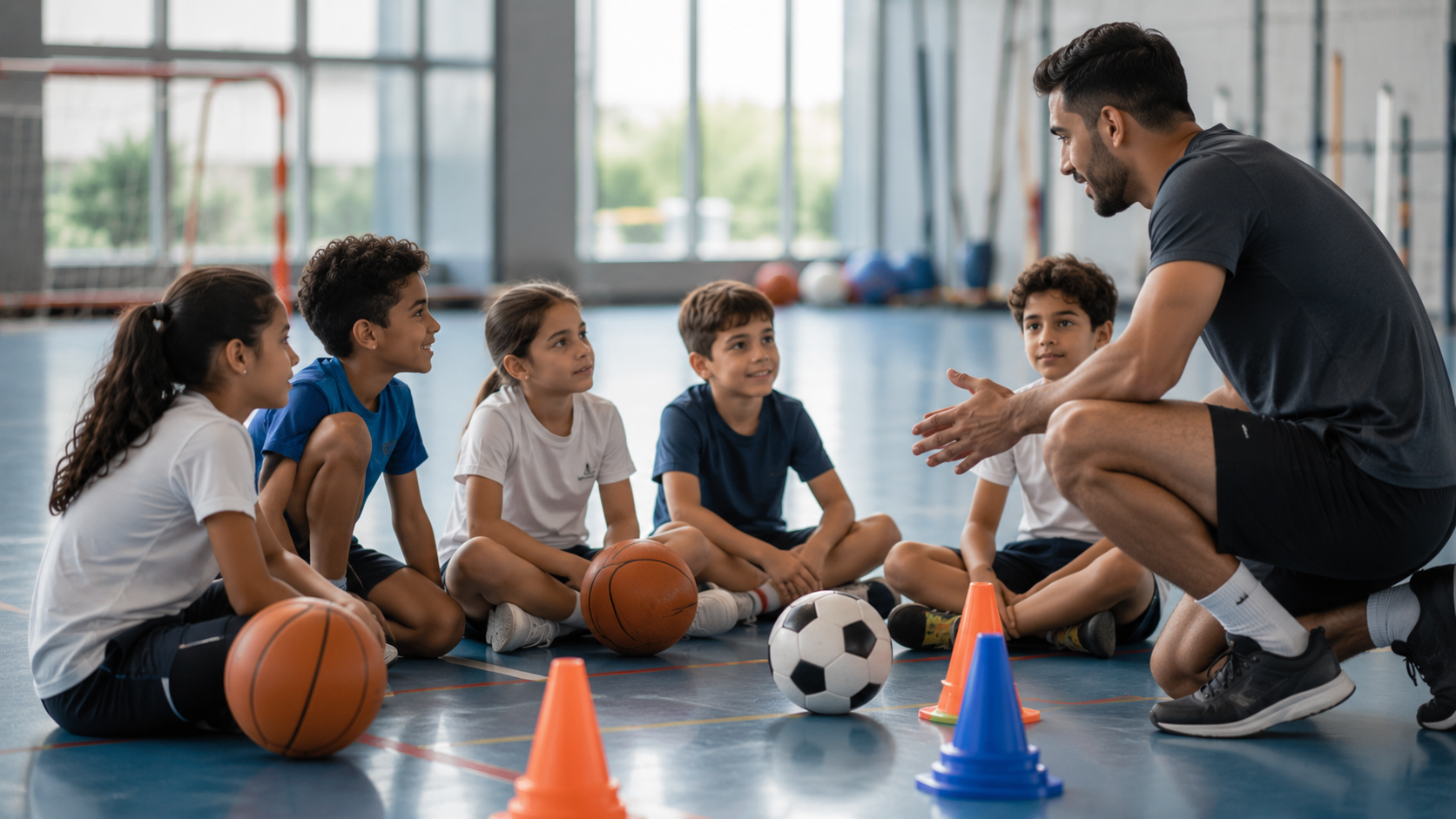
Sport provides valuable opportunities to develop social skills. Whether children participate in team or individual activities, they learn how to cooperate with others, respect rules, communicate effectively and support teammates.
Parents can reinforce these lessons by praising kindness, effort, respect and encouragement just as much as goals scored or medals won. Learning to celebrate others' achievements and respond positively to setbacks helps children develop strong character alongside physical ability.
6. Allow Children to Progress at Their Own Pace
Children develop physically at different rates, and comparing them with teammates or classmates can reduce confidence and enjoyment. Some children develop coordination early, while others gain confidence gradually through regular practice.
Celebrate individual improvement rather than comparing performances. Helping children recognise their own progress encourages persistence and reminds them that long-term development is more important than early success.
7. Help Children Build Confidence Through Sport
One of the greatest benefits of organised sport is the confidence it helps children develop over time. Learning a new skill, improving personal performance and achieving small milestones all contribute to a stronger belief in their own abilities.
Confidence grows through experience rather than constant praise. Encourage your child to recognise improvements such as swimming an extra length, mastering a new gymnastics movement, improving their tennis serve or completing a longer run. These achievements help children understand that success comes through consistent effort and practice.
Parents can reinforce this confidence by celebrating progress rather than focusing only on winning matches or receiving awards.
8. Teach Resilience Through Challenges
Every child experiences setbacks in sport. They may lose a match, miss a goal, struggle with a new skill or have days when performance simply does not go as planned. These moments provide valuable opportunities to develop resilience.
Rather than protecting children from disappointment, help them reflect on what they learned from the experience and identify what they can improve next time. This teaches children that mistakes and setbacks are a normal part of growth.
Children who develop resilience through sport often become more confident learners in other areas of life, including school and personal relationships.
9. Encourage Balance and Avoid Early Specialisation
While some children discover a favourite sport at an early age, participating in a variety of physical activities helps develop broader movement skills and reduces the risk of burnout or overuse injuries.
Swimming develops endurance, gymnastics improves flexibility and balance, athletics builds speed and coordination, while team sports strengthen communication and cooperation. Experiencing different activities allows children to become more adaptable athletes while discovering what they genuinely enjoy.
As children grow older, they may naturally choose to focus on one sport. Until then, maintaining variety often supports healthier long-term physical development.
10. Be a Positive and Supportive Role Model
Children often adopt their parents' attitudes towards physical activity. When parents demonstrate that exercise is enjoyable and prioritise healthy lifestyles, children are more likely to develop similar habits.
Support your child by attending matches, encouraging effort, respecting coaches and officials and discussing sport positively after competitions. Instead of asking only whether they won, ask questions such as:
- What did you enjoy today?
- What new skill did you learn?
- What are you most proud of?
- What would you like to improve next time?
These conversations shift the focus from results to learning and personal growth.
11. Build Healthy Habits for Life
The ultimate goal of youth sport is not simply to develop talented athletes—it is to help children develop lifelong habits that support physical health, mental wellbeing and overall quality of life.
Children who enjoy being active are more likely to continue exercising as teenagers and adults. Regular movement supports cardiovascular health, stronger bones and muscles, improved sleep, stress management and greater overall wellbeing throughout life.
By helping children discover activities they genuinely enjoy, parents encourage a positive relationship with physical activity that can last well beyond organised sport and into adulthood.
Common Mistakes
- Choosing a sport based on parental preferences rather than the child's interests.
- Focusing only on winning instead of learning and enjoyment.
- Comparing children with teammates or siblings.
- Specialising in one sport too early without exploring other activities.
- Overlooking the importance of rest, nutrition and recovery.
- Putting unnecessary pressure on performance.
- Criticising mistakes instead of encouraging improvement.
Practical Checklist
- Encourage regular physical activity throughout the week.
- Choose sports that match your child's interests and personality.
- Focus on developing fundamental movement skills.
- Support healthy nutrition, hydration and sleep.
- Praise effort, teamwork and resilience.
- Allow children to experience a variety of sports.
- Maintain positive communication with coaches.
- Keep sport enjoyable and free from unnecessary pressure.
Frequently Asked Questions
At what age should children start organised sports?
Children can begin participating in age-appropriate organised activities during their early years, but active play is equally important. The right age depends on the child's maturity, interests and readiness to follow simple instructions while enjoying group activities.
Should my child specialise in one sport early?
For most children, participating in a variety of sports during childhood helps develop broader physical skills, reduces the risk of overuse injuries and allows them to discover what they genuinely enjoy before specialising later.
What if my child is not naturally athletic?
Every child develops at their own pace. The goal of sport is not to produce elite athletes but to encourage healthy habits, confidence, teamwork and enjoyment. Choosing activities that match your child's interests often leads to greater participation and success.
How many times a week should my child participate in sport?
This varies depending on age, interests and the activity itself. Regular movement throughout the week, combined with appropriate rest and recovery, is generally more beneficial than occasional intense exercise.
How can I keep my child motivated if they lose interest?
Listen to your child's reasons and avoid forcing participation. Sometimes trying a different sport, reducing competitive pressure or simply making physical activity more enjoyable can help rekindle their enthusiasm. The goal is to develop a lifelong appreciation for being active, not to pursue one specific sport at all costs.
Final Thoughts
Sport provides children with opportunities to grow physically, emotionally and socially while developing habits that support lifelong health and wellbeing. Beyond improving fitness, organised physical activity teaches resilience, teamwork, discipline and confidence—qualities that benefit children in school, relationships and future careers.
Parents have an important role in helping children develop a positive relationship with sport by celebrating effort, encouraging curiosity and ensuring that physical activity remains enjoyable. When children associate movement with fun, achievement and personal growth, they are far more likely to remain active throughout their lives.
Daresni Tip: Let your child explore different sports before committing to one. The activity they enjoy most is often the one they will continue, and long-term enjoyment is one of the strongest predictors of lifelong physical health and wellbeing.